This article explores essential insights and tips for anyone planning to attend a kimono party, ensuring an enjoyable and culturally respectful experience.
Attending a kimono party is a wonderful opportunity to immerse oneself in Japanese culture. However, it is important to approach this experience with an understanding of the significance of the kimono and the associated customs. Below are some key insights and tips for a fulfilling experience.
- Understanding the Significance of Kimono: Kimonos are more than just garments; they are steeped in history and cultural importance. They symbolize tradition, artistry, and the seasons.
- Choosing the Right Kimono: Selecting the appropriate style is crucial. Consider the occasion, as kimonos vary in formality. Options include formal, semi-formal, and casual styles.
- Accessorizing Your Kimono: Accessories like obi (sashes), obijime (decorative cords), and traditional footwear enhance your overall look.
- Understanding Kimono Etiquette: Familiarize yourself with the dos and don’ts of wearing a kimono, including how to properly wear and adjust the garment.
- Participating in Traditional Activities: Engage in activities such as the tea ceremony or traditional games to fully embrace the cultural experience.
- Capturing the Moment: When taking photos, be respectful of the cultural context. Ask for permission before photographing others.
In conclusion, attending a kimono party is a unique opportunity to engage with Japanese culture. By understanding the attire, etiquette, and activities, you can fully embrace this enriching experience and create lasting memories.
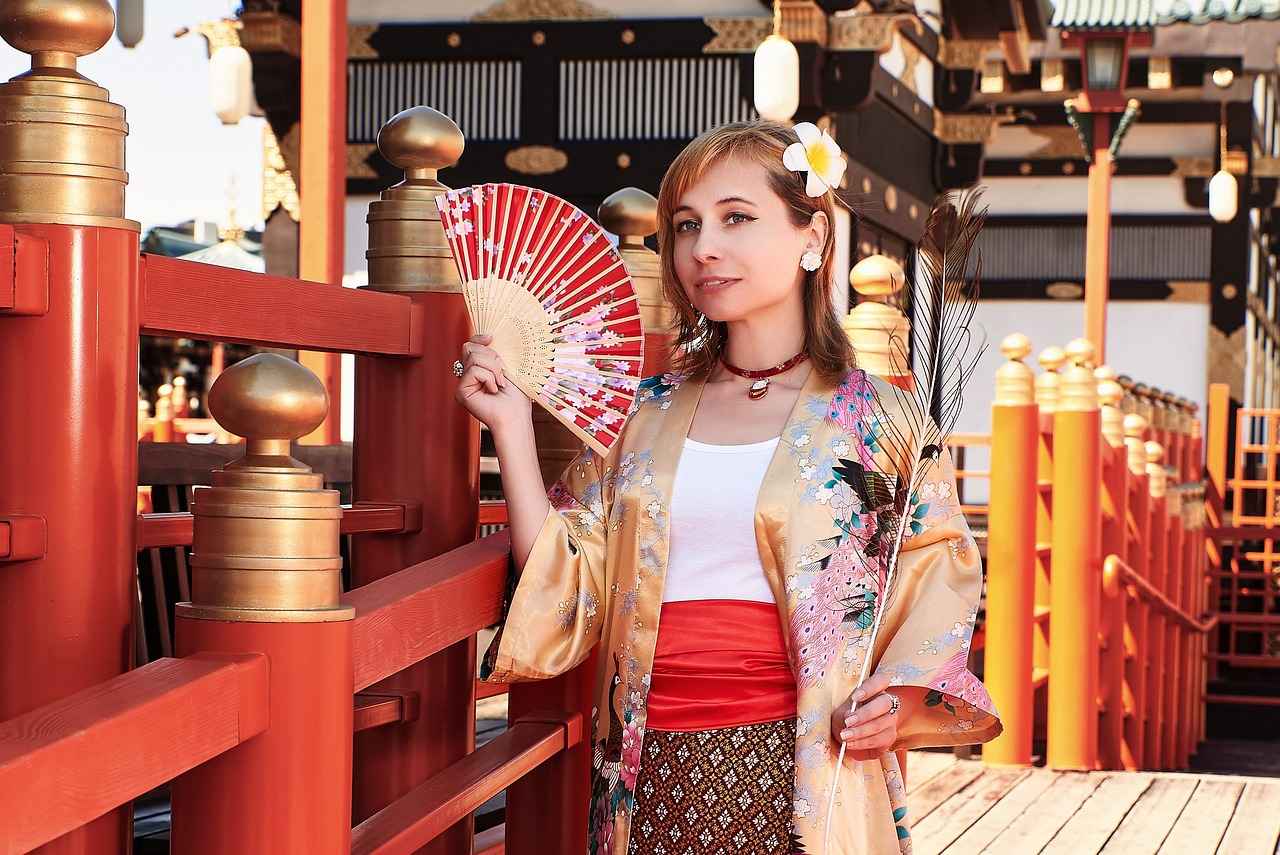
Understanding the Significance of Kimono
Kimonos are not just garments; they are a profound representation of Japanese culture, history, and identity. These traditional outfits have been worn for centuries, evolving in style and significance over time. Attending a kimono party offers a unique opportunity to immerse oneself in this rich cultural heritage. Understanding the significance of kimonos can greatly enhance your appreciation of the attire you see and wear during these gatherings.
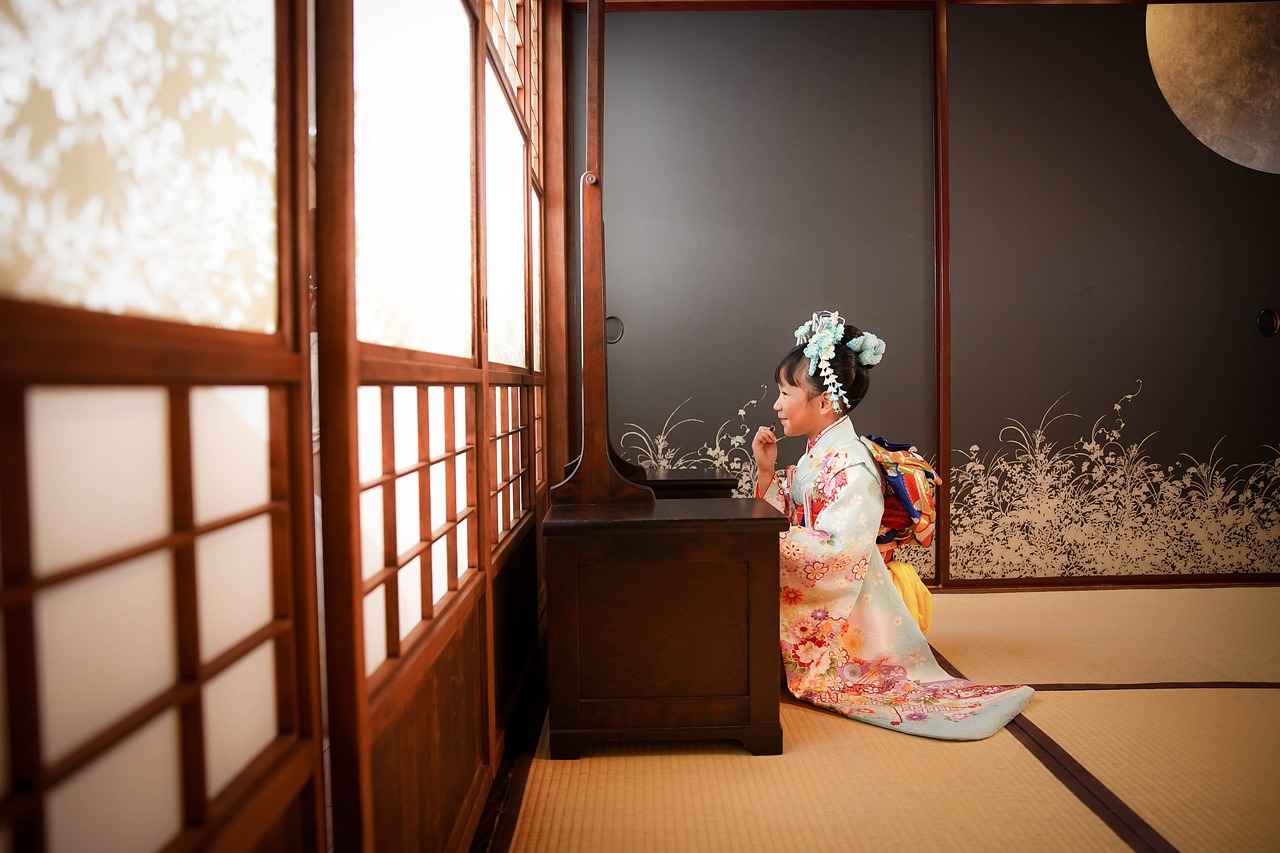
The kimono’s history dates back to the Heian period (794-1185), where it was initially a simple garment. Over the years, it transformed into a symbol of elegance and status, with intricate designs and colors reflecting the wearer’s age, marital status, and occasion. For instance, formal kimonos, known as furisode, are typically worn by young unmarried women, featuring long sleeves and vibrant patterns that signify youth and beauty.
Understanding the cultural significance of kimonos also involves recognizing the meanings behind various colors and patterns. Each color can convey different emotions or messages, while specific motifs may represent good fortune, longevity, or seasonal changes. For example, cherry blossoms symbolize the transient nature of life, making them a popular choice in kimono designs.
Furthermore, the way a kimono is worn also carries meaning. The obi, or sash, is tied in various styles to indicate different occasions. The choice of fabric—from luxurious silk to more casual cotton—also plays a role in the formality of the outfit. Thus, when you wear a kimono, you are not just dressing in beautiful clothing; you are participating in a cultural narrative that spans generations.
In conclusion, by understanding the significance of kimonos, you can engage more deeply with the traditions and customs that accompany them. This knowledge not only enhances your experience at a kimono party but also fosters a greater respect for Japanese culture and its rich history.

Choosing the Right Kimono
is a significant aspect of attending a kimono party, as it reflects both personal style and cultural respect. The kimono, a traditional Japanese garment, comes in various styles, each suited for different occasions and seasons. Understanding these differences is essential for ensuring comfort and appropriateness.
When selecting a kimono, consider the following types:
- Formal Kimonos: These are often made from luxurious fabrics such as silk and are characterized by intricate designs. Formal kimonos are typically worn during significant events such as weddings, tea ceremonies, and other ceremonial occasions. Choosing a formal kimono requires attention to detail, including the selection of a suitable obi (belt) and appropriate accessories.
- Casual Kimonos: Made from lighter materials like cotton or linen, casual kimonos are ideal for informal gatherings, such as summer festivals or family outings. They offer more freedom in terms of color and pattern, allowing for personal expression while still respecting the traditional form.
- Seasonal Kimonos: The choice of kimono can also depend on the season. For instance, lighter fabrics and brighter colors are preferred in spring and summer, while heavier fabrics and darker hues are more suitable for fall and winter. This seasonal consideration adds another layer of authenticity to your attire.
Additionally, understanding the occasion for wearing a kimono is crucial. For example, a wedding may call for a more elaborate and formal kimono, while a casual family gathering may allow for a simpler, more comfortable choice. Always consider the cultural context and the expectations of the event.
In conclusion, selecting the right kimono is not just about aesthetics; it is about honoring the traditions and significance behind this beautiful garment. By understanding the various types of kimonos and their appropriate occasions, you can ensure that your choice is both respectful and comfortable.
Types of Kimonos
Kimonos are a quintessential part of Japanese culture, each type serving a distinct purpose and embodying unique characteristics. Understanding the different types of kimonos is essential for anyone looking to appreciate this traditional attire fully. Below, we explore the three primary categories of kimonos: formal, casual, and seasonal.
- Formal Kimonos: These kimonos are typically worn during significant events such as weddings, tea ceremonies, and other formal gatherings. They are characterized by intricate designs, luxurious fabrics like silk, and often feature elaborate embroidery. The most formal type is the furisode, which is distinguished by its long sleeves and is commonly worn by young women during special occasions.
- Casual Kimonos: Casual kimonos are designed for everyday wear and informal gatherings. They are often made from lighter materials, making them comfortable and easy to wear. One popular style is the yukata, a cotton kimono typically worn in summer festivals. Casual kimonos often feature vibrant colors and simpler patterns, allowing for personal expression while still honoring tradition.
- Seasonal Kimonos: These kimonos are tailored to reflect the changing seasons, incorporating colors and motifs that represent nature’s beauty throughout the year. For example, spring kimonos may showcase cherry blossom designs, while autumn kimonos might feature hues of red and gold to symbolize the fall foliage. Seasonal kimonos help wearers connect with the natural world and celebrate the passage of time.
In conclusion, whether attending a formal event or a casual gathering, understanding the different types of kimonos allows individuals to choose the right attire that respects the cultural significance of this beautiful garment. Each style carries its own history and purpose, contributing to the rich tapestry of Japanese tradition.
Formal Kimonos
hold a special place in Japanese culture, often associated with significant ceremonies and events. These exquisite garments are not just clothing; they embody a rich history and tradition that dates back centuries. When attending a kimono party or a formal occasion, understanding the nuances of formal kimonos can greatly enhance your experience.
Formal kimonos are typically crafted from high-quality fabrics such as silk, which gives them a luxurious feel and appearance. The design of a formal kimono is often intricate, featuring beautiful patterns and colors that reflect the season or the occasion. For instance, dark colors are generally preferred for formal events, while lighter shades may be reserved for less formal gatherings.
When selecting a formal kimono, it is essential to consider the event’s nature. For weddings, shiromuku (pure white kimono) is traditionally worn, symbolizing purity and new beginnings. On the other hand, furisode kimonos, characterized by long sleeves, are typically worn by young women during celebratory events such as Coming of Age Day.
| Type of Formal Kimono | Occasion | Fabric |
|---|---|---|
| Shiromuku | Weddings | Silk |
| Furisode | Coming of Age Day | Silk |
| Tomesode | Formal Gatherings | Silk or Cotton |
In addition to the fabric and design, understanding how to wear a formal kimono properly is crucial. The obi, or sash, plays a significant role in the overall look and should be tied securely yet comfortably. Attending a kimono party with the right attire not only shows respect for the culture but also enhances your enjoyment of the event.
In conclusion, being knowledgeable about formal kimonos, their designs, and their appropriate occasions will allow you to select the perfect garment for any special event. Embrace the beauty and tradition of this iconic attire, and you will surely make a lasting impression.
Casual Kimonos
are a delightful blend of tradition and modernity, making them an excellent choice for informal gatherings. These garments are often crafted from lighter materials, which not only enhances comfort but also allows for ease of movement. Whether you’re attending a casual tea party, a summer festival, or simply enjoying a day out with friends, a casual kimono can elevate your style while respecting cultural heritage.
One of the appealing aspects of casual kimonos is their versatility. They come in various colors, patterns, and styles, allowing wearers to express their individuality. From floral prints to minimalist designs, the options are vast. This means you can choose a kimono that resonates with your personal taste while still adhering to the traditional essence of the garment.
When selecting a casual kimono, consider the occasion. For instance, lighter colors and playful patterns may be more suitable for daytime events, while darker hues can be worn for evening gatherings. Additionally, pairing your kimono with simple accessories, such as a obi belt or a decorative hairpin, can enhance your overall look without overwhelming the outfit.
Moreover, casual kimonos are not just about aesthetics; they also embody a rich cultural history. Wearing one is a way to honor Japanese traditions while adapting them to contemporary lifestyles. This balance of respect and modernity is what makes casual kimonos particularly special.
In conclusion, embracing the casual kimono allows you to enjoy comfort and style without sacrificing cultural significance. As you prepare for your next informal gathering, consider incorporating this beautiful garment into your wardrobe. It’s a wonderful way to celebrate tradition while making a personal statement.
Accessorizing Your Kimono
is essential for achieving a complete and polished look. The right accessories not only enhance the overall appearance but also reflect personal style while respecting traditional aesthetics. This section will delve into various accessories that complement your kimono outfit, ensuring you look your best at any kimono party.
- Obi: The obi is a wide belt that holds the kimono together. It comes in various styles, widths, and fabrics, making it a versatile accessory. Choose an obi that contrasts or complements the colors of your kimono for a harmonious look.
- Obiage and Obijime: These are decorative pieces worn under and over the obi, respectively. The obiage is usually a silk scarf that adds a pop of color, while the obijime is a cord that secures the obi. Both elements can enhance the elegance of your outfit.
- Tabi Socks: Tabi are traditional Japanese socks that separate the big toe from the others, allowing for a better fit with traditional sandals. They come in various colors and patterns, so choose a pair that matches your kimono.
- Geta or Zori: Footwear is crucial in completing your kimono look. Geta are wooden sandals that add height and style, while zori are flat sandals made from fabric or straw. Select footwear that complements your kimono’s formality.
- Haneri: This is a detachable collar worn with the kimono. A haneri can add a layer of color and texture, enhancing the overall aesthetic. Choose a design that matches or contrasts with your kimono for added flair.
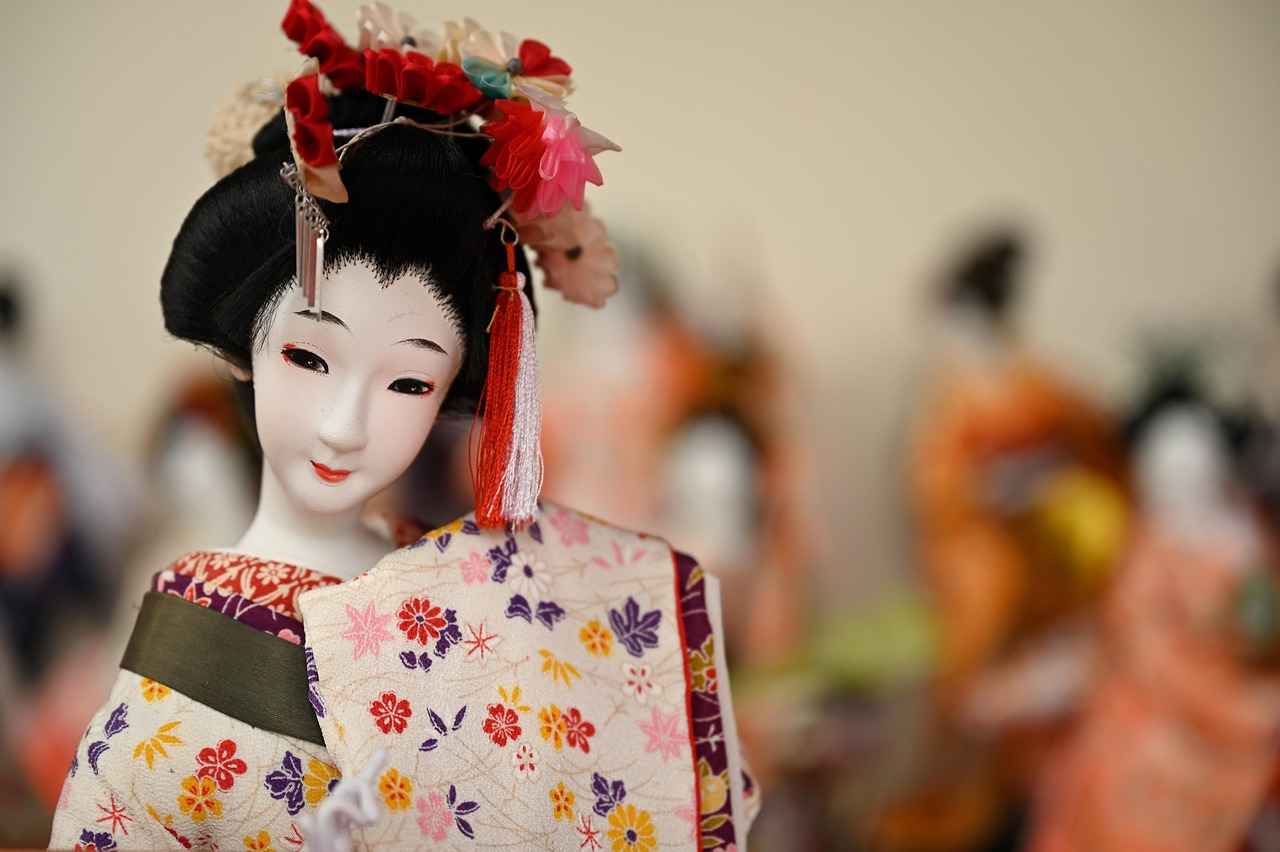
- Hair Accessories: Incorporating hairpins, combs, or floral arrangements can elevate your look. Traditional kanzashi hairpins, adorned with intricate designs, can beautifully frame your face and add a touch of elegance.
In conclusion, accessorizing your kimono is not merely about aesthetics; it’s about honoring the tradition while expressing your unique style. By carefully selecting the right accessories, you can enhance your appearance and ensure you stand out at any kimono party.
Understanding Kimono Etiquette
When attending a kimono party, it is essential to respect the cultural nuances associated with this traditional attire. The kimono is not just clothing; it embodies a rich history and cultural significance. To ensure you honor this tradition, here are some important dos and don’ts to keep in mind:
| Dos | Don’ts |
|---|---|
| Do learn about the kimono you are wearing. Understanding its style and significance will enhance your appreciation. | Don’t wear a kimono that is inappropriate for the occasion. Ensure it matches the formality of the event. |
| Do ask for help when putting on your kimono. It can be complex, and assistance ensures it is worn correctly. | Don’t try to adjust your kimono in public. If you need to make adjustments, do so discreetly. |
| Do accessorize thoughtfully. Use traditional accessories like obijime or obiage to enhance your look. | Don’t over-accessorize. Keep it simple to maintain the elegance of the kimono. |
| Do practice proper posture. Standing tall and walking gracefully reflects respect for the attire. | Don’t slouch or rush. Move with poise to honor the cultural significance. |
By following these guidelines, you can ensure that your participation in a kimono party is not only enjoyable but also respectful of the rich traditions they represent. Embracing the etiquette associated with kimonos allows you to fully appreciate the beauty and cultural heritage they embody.
Proper Wearing Techniques
When it comes to wearing a kimono, mastering the art of proper wearing techniques is essential for achieving a polished and elegant look. This section provides detailed insights on how to tie the obi correctly and adjust the garment to ensure it fits beautifully.
Understanding the Kimono Structure
A kimono consists of several components, including the kimono itself, the obi (belt), and various accessories. Each piece plays a vital role in the overall appearance and comfort of the outfit.
1. Tying the Obi
The obi is arguably the most critical part of the kimono ensemble. Here’s how to tie it properly:
- Choose the Right Obi: Select an obi that complements your kimono in color and style.
- Positioning: Wrap the obi around your waist, ensuring it sits comfortably above your hips.
- Tightening: Pull the obi snugly but not too tight, allowing for ease of movement.
- Tie the Knot: Depending on the style, you can opt for a simple knot or a more elaborate bow, such as the taiko musubi.
2. Adjusting the Kimono
Once the obi is tied, it’s crucial to adjust the kimono for a refined silhouette:
- Length Adjustment: Ensure the kimono falls at the correct length, typically around the ankles.
- Collar Placement: The collar should sit comfortably around the neck, with the left side crossing over the right.
- Sleeve Positioning: Make sure the sleeves are not too tight and hang gracefully.
3. Final Touches
After achieving the right fit, consider adding accessories such as obiage or obijime to enhance your look. These elements not only add flair but also help secure the obi in place.
By following these steps, you can wear your kimono with confidence and grace, ensuring that you honor the rich traditions associated with this beautiful garment.
Behavioral Etiquette
Understanding behavioral expectations at a kimono party is essential for creating a respectful and enjoyable atmosphere. This section will guide you through the appropriate conduct expected from guests, including greetings, conversation topics, and overall demeanor.
When you arrive at a kimono party, the first impression is often made through your greetings. A simple yet respectful bow is a traditional way to greet others. It shows appreciation for the culture and the event. Remember to smile warmly, as this adds a personal touch to your greeting.
During conversations, it is important to engage in polite and respectful dialogue. Topics such as Japanese culture, art, or the significance of kimonos can be excellent conversation starters. However, it is advisable to avoid sensitive subjects such as politics or religion, as these can lead to discomfort.
- Be mindful of personal space: Japanese culture values personal space, so maintain a respectful distance while conversing.
- Compliment the attire: If you notice someone’s kimono, a genuine compliment can foster a positive interaction.
- Listen actively: Show interest in what others are saying; this is a sign of respect and engagement.
Additionally, body language plays a crucial role in your interactions. Maintain a calm demeanor, and avoid overly expressive gestures, which might be perceived as disrespectful. Instead, use subtle nods and smiles to convey understanding and agreement.
Lastly, remember that participation in any traditional activities is also a part of your conduct. Whether it’s a tea ceremony or games, showing enthusiasm and respect for the traditions will enhance your experience and that of others. By adhering to these behavioral expectations, you can ensure a memorable and culturally enriching kimono party experience.
Participating in Traditional Activities
Attending a kimono party is not just about wearing a beautiful garment; it also involves engaging in various traditional activities that enrich the experience. Understanding these practices will help you participate respectfully and enjoyably.
- Tea Ceremony Participation: One of the most revered traditions at a kimono party is the tea ceremony. This ritual is a serene and meditative experience that emphasizes harmony, respect, purity, and tranquility. As a guest, you will be invited to observe and, in some cases, participate. It’s essential to approach this activity with reverence. Follow the host’s lead, and remember to express gratitude for the tea served.
- Games and Socializing: Kimono parties often include traditional games that encourage social interaction. Popular games might include karuta (a card game) or hanetsuki (a badminton-like game). These activities are designed to break the ice and foster a sense of community. Engage with others by showing enthusiasm and willingness to learn the rules. This is a great way to make new friends while respecting the cultural significance of the games.
- Traditional Dance: Some kimono parties may feature traditional Japanese dance performances. If invited to join or learn a few steps, embrace the opportunity! Participating in dance not only allows you to immerse yourself in the culture but also shows respect for the art form. Pay attention to the movements and follow along as best as you can.
- Craft Activities: Engaging in craft activities, such as origami or calligraphy, can also be part of the festivities. These crafts are a fun way to connect with others while appreciating the skill involved in Japanese arts. Be open to learning and share your creations with fellow guests.
In conclusion, by participating in these traditional activities with an open heart and a respectful attitude, you can enhance your kimono party experience. Embrace the opportunity to learn and connect with others, making your time truly memorable.
Tea Ceremony Participation
is an integral part of the kimono party experience, offering a glimpse into Japanese culture’s rich traditions. This beautiful ritual is not just about drinking tea; it embodies a philosophy of harmony, respect, purity, and tranquility.
When attending a kimono party, you can expect to be welcomed into a serene environment where the tea ceremony is performed with great care. The host will typically prepare the tea in a designated area, often adorned with traditional decorations. Here are some important aspects to keep in mind:
- Preparation: Before the ceremony begins, participants may be invited to help prepare the tea utensils. This can involve cleaning and arranging the tools used in the ceremony, which fosters a sense of involvement and respect for the process.
- Understanding the Ritual: The tea ceremony usually follows a set sequence of movements, each with its own significance. Observing these rituals will enhance your appreciation for the art form. Pay attention to the way the tea is whisked and served.
- Serving and Receiving Tea: When the tea is served, it is customary to bow slightly and express gratitude. Hold the tea bowl with both hands, and take a moment to admire its beauty before sipping. After drinking, it’s polite to wipe the rim of the bowl and return it to the host with both hands.
- Engagement: While participating, engage in light conversation, but be mindful of the tranquil atmosphere. Topics should remain respectful and appropriate, focusing on the experience and the art of tea making.
- Respecting Silence: Moments of silence are an essential part of the ceremony, allowing participants to reflect on the experience. Embrace these moments as a time for mindfulness and appreciation.
By understanding and participating in the tea ceremony, you not only honor the tradition but also enrich your own experience at the kimono party. This engagement fosters a deeper connection to the cultural significance of the event, making it memorable and meaningful.
Games and Socializing
are integral components of the vibrant atmosphere at kimono parties. These gatherings not only celebrate traditional attire but also provide a unique opportunity for guests to connect and have fun. In this section, we will delve into some popular games played at kimono parties and offer tips for mingling effectively.
One of the most popular games at kimono parties is Hanabi, a traditional Japanese fireworks game that involves players working together to create stunning displays. This game encourages teamwork and communication, making it a fantastic icebreaker. Another favorite is Shiritori, a word game where players take turns saying words that begin with the last syllable of the previous word. This game is not only entertaining but also helps participants practice their Japanese vocabulary.
To enhance your social experience, consider these tips for mingling:
- Be Approachable: Smile and maintain open body language to invite conversation.
- Start with Small Talk: Discuss the kimono you are wearing or ask others about their attire. This shared interest can lead to deeper conversations.
- Participate in Games: Engage in the games being played. This not only breaks the ice but also allows you to bond with others through shared experiences.
- Respect Personal Space: While socializing is important, be mindful of others’ comfort levels and personal space.
Additionally, don’t forget to take part in traditional activities such as the tea ceremony, which can further enrich your social interactions. By embracing the cultural elements of the party, you can create lasting memories and connections.
In conclusion, games and socializing at kimono parties are about more than just entertainment; they are opportunities to engage with others and immerse yourself in a rich cultural experience. By participating actively and following these tips, you can ensure that your time at the party is both enjoyable and memorable.

Capturing the Moment: Photography Tips
Documenting your experience at a kimono party is not just about taking pictures; it’s about preserving memories while being mindful of cultural sensitivities. Here are some essential photography tips to help you capture the essence of the event respectfully and beautifully.
- Be Mindful of Your Surroundings: Before snapping photos, take a moment to observe the atmosphere. Ensure that your photography does not disrupt ongoing activities or invade personal space.
- Ask for Permission: When photographing individuals, especially those in traditional attire, always ask for their consent. Respect their wishes if they decline, as some may prefer to avoid the spotlight.
- Focus on Details: Kimonos are rich in detail, from intricate patterns to unique accessories. Capture close-up shots of these elements to highlight their beauty and craftsmanship.
- Natural Lighting: Whenever possible, utilize natural light to enhance your photos. It brings out the vivid colors of the kimono and creates a warm, inviting atmosphere.
- Capture Candid Moments: Instead of only posed shots, focus on candid moments that reflect the joy and interactions of the event. These authentic images often tell the best stories.
- Respect Cultural Practices: If the party includes traditional activities, such as a tea ceremony, be discreet in your photography. Avoid using flash, which can be disruptive.
- Edit Thoughtfully: After the event, when editing your photos, maintain the integrity of the images. Avoid heavy filters that alter the authentic colors of the kimonos.
By following these tips, you can effectively document the beauty and cultural significance of a kimono party while ensuring that your photography is respectful and appreciated by all attendees.
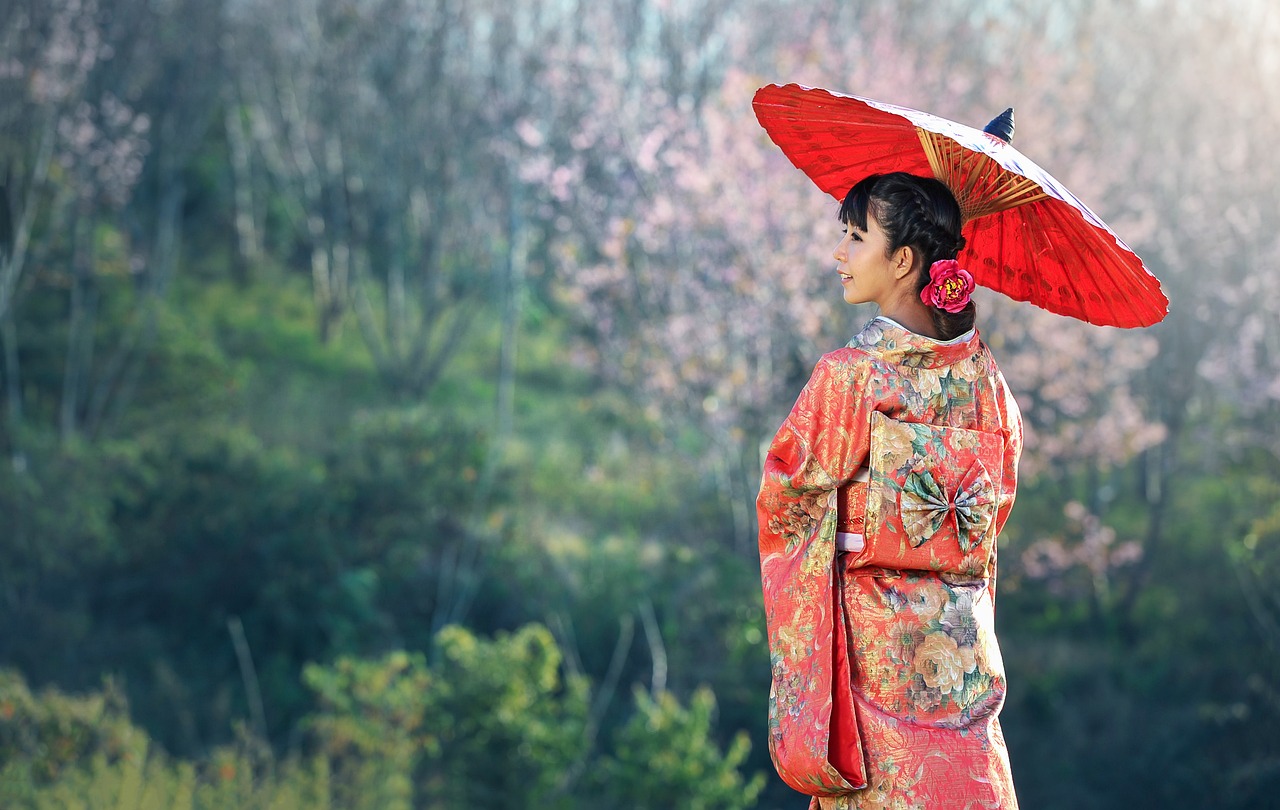
Conclusion: Embracing the Kimono Experience
Attending a kimono party offers a remarkable chance to immerse yourself in the rich tapestry of Japanese culture. This experience goes beyond merely wearing traditional attire; it encompasses understanding the intricate details of the kimono, the associated etiquette, and the various activities that typically take place during such gatherings. By grasping these elements, you can fully appreciate and enjoy the unique cultural experience that a kimono party presents.
Understanding the Kimono
The kimono is not just a garment; it is a symbol of Japan’s history and artistry. Each kimono tells a story through its fabric, patterns, and colors. For instance, formal kimonos often feature elaborate designs and are worn during significant events such as weddings and tea ceremonies, while casual kimonos are perfect for more relaxed occasions. Familiarizing yourself with these distinctions can enhance your appreciation of the attire you will see at the party.
Kimono Etiquette
Respecting the etiquette associated with wearing a kimono is vital. This includes understanding how to properly wear the garment, including the correct way to tie the obi (the wide belt that secures the kimono). Additionally, knowing the appropriate behavior, such as how to greet others and engage in conversation, will help you navigate the social aspects of the event with grace.
Participating in Activities
Many kimono parties feature traditional activities, such as a tea ceremony, which is a beautiful ritual that emphasizes harmony, respect, and tranquility. Engaging in such activities not only enhances your experience but also shows your respect for Japanese traditions. Moreover, participating in games and socializing with other guests can lead to enjoyable interactions and memorable moments.
Conclusion
In conclusion, attending a kimono party is a unique opportunity to engage with Japanese culture. By understanding the significance of the kimono, adhering to proper etiquette, and participating in traditional activities, you can fully embrace this enriching experience. This cultural immersion not only deepens your appreciation for Japan’s heritage but also creates lasting memories that will resonate long after the event.
Frequently Asked Questions
- What should I wear to a kimono party?
Choosing the right kimono is essential. You can opt for a formal kimono for special occasions or a casual one for a relaxed vibe. Remember, comfort is key, but so is respecting the traditional attire!
- How do I properly wear a kimono?
Wearing a kimono involves a few steps. First, make sure the kimono is wrapped correctly, with the left side over the right. Then, tie the obi (the sash) securely but comfortably. It might feel tricky at first, but practice makes perfect!
- What are the dos and don’ts of kimono etiquette?
When attending a kimono party, it’s important to be respectful. Do greet others politely and engage in conversation, but don’t touch someone else’s kimono without permission. Also, avoid loud or disruptive behavior to keep the atmosphere enjoyable for everyone.
- Can I take photos during the event?
Absolutely! Capturing memories is part of the fun, but be mindful of cultural sensitivities. Always ask for permission before taking photos of others, especially during traditional activities like the tea ceremony.
- What activities can I expect at a kimono party?
Kimono parties often feature traditional activities like a tea ceremony, games, and socializing. Participating in these activities is a great way to immerse yourself in the culture and make new friends!