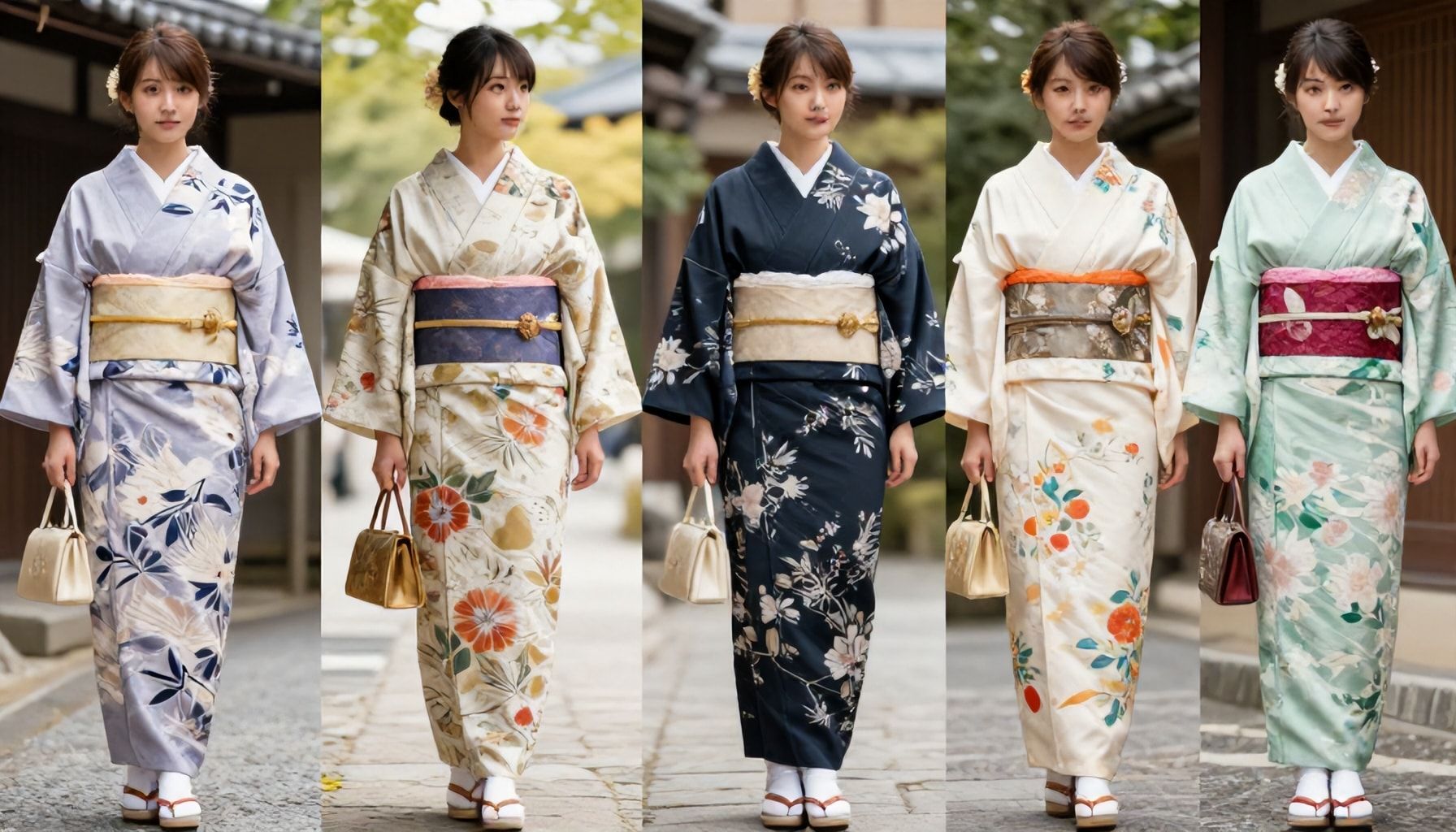
The kimono, a traditional Japanese garment, has transcended its cultural origins to become a global fashion staple. With over 400 years of history, its elegance and versatility continue to captivate women worldwide. Far from being a relic of the past, the kimono has evolved, inspiring countless modern adaptations that cater to contemporary tastes while preserving its timeless allure.
For women seeking to infuse their wardrobes with sophistication and cultural richness, kimonos for women offer an unparalleled opportunity. These garments are not merely pieces of clothing; they are statements of style, history, and personal expression. From casual outings to formal events, kimonos for women provide a unique way to elevate any ensemble, making them a must-have for every fashion-conscious individual. Whether draped over shoulders or worn as a full-length robe, their adaptability ensures they remain relevant across seasons and trends.
The Art of Kimono Through the Ages
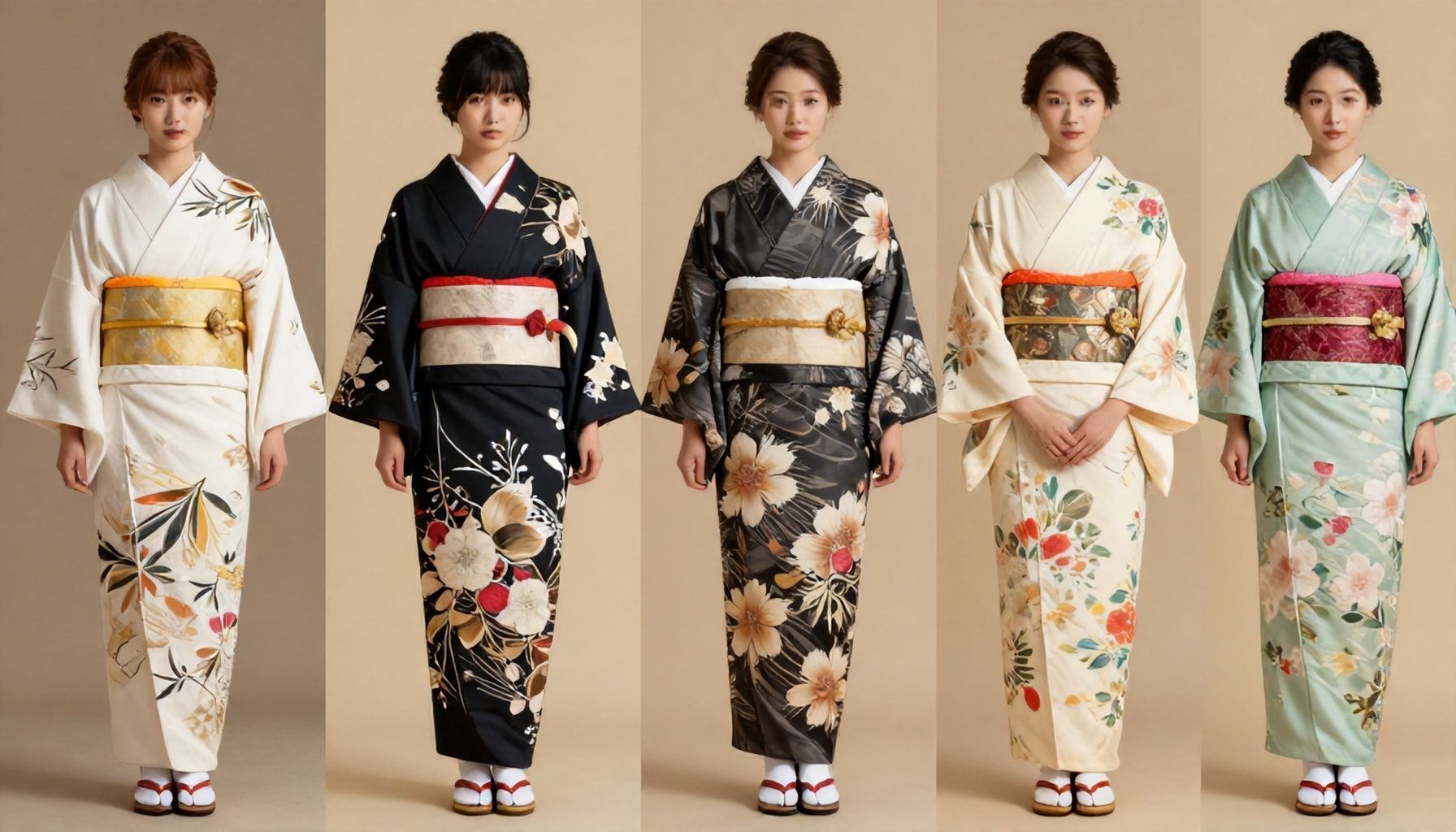
The kimono, a traditional Japanese garment, has evolved over centuries while retaining its elegance and cultural significance. Originally worn by all classes, the kimono became a symbol of status and refinement during the Heian period (794-1185). The intricate designs and high-quality fabrics reflected the wearer’s social standing, with elaborate patterns and vibrant colors reserved for the elite.
| Period | Key Features |
|---|---|
| Heian (794-1185) | Elaborate designs, vibrant colors, long sleeves |
| Edo (1603-1868) | Standardized styles, seasonal motifs, family crests |
| Meiji (1868-1912) | Western influences, simpler designs, practicality |
During the Edo period (1603-1868), kimono styles became more standardized, with seasonal motifs and family crests becoming common. The garment’s design reflected the changing seasons, with cherry blossoms in spring and maple leaves in autumn. According to cultural historian Dr. Tanaka, “the kimono’s ability to adapt to seasonal changes is a testament to its timeless appeal.” This period also saw the rise of the obi, a wide sash tied around the waist, which became an essential part of the kimono ensemble.
Spring: Cherry blossoms, peonies, butterflies
Summer: Waves, fireworks, irises
Autumn: Maple leaves, chrysanthemums, full moons
Winter: Snowflakes, pine trees, cranes
The Meiji period (1868-1912) brought Western influences to Japan, leading to simpler kimono designs that prioritized practicality. Despite these changes, the kimono remained a cherished garment, often worn for special occasions. Today, modern kimono styles blend traditional elements with contemporary fashion, offering a versatile wardrobe staple for women.
- Yukata: Lightweight cotton kimono for summer
- Furisode: Long-sleeved kimono for young women
- Tomesode: Formal kimono for married women
- Iromuji: Solid-colored kimono for various occasions
Understanding the Essence of Each Style
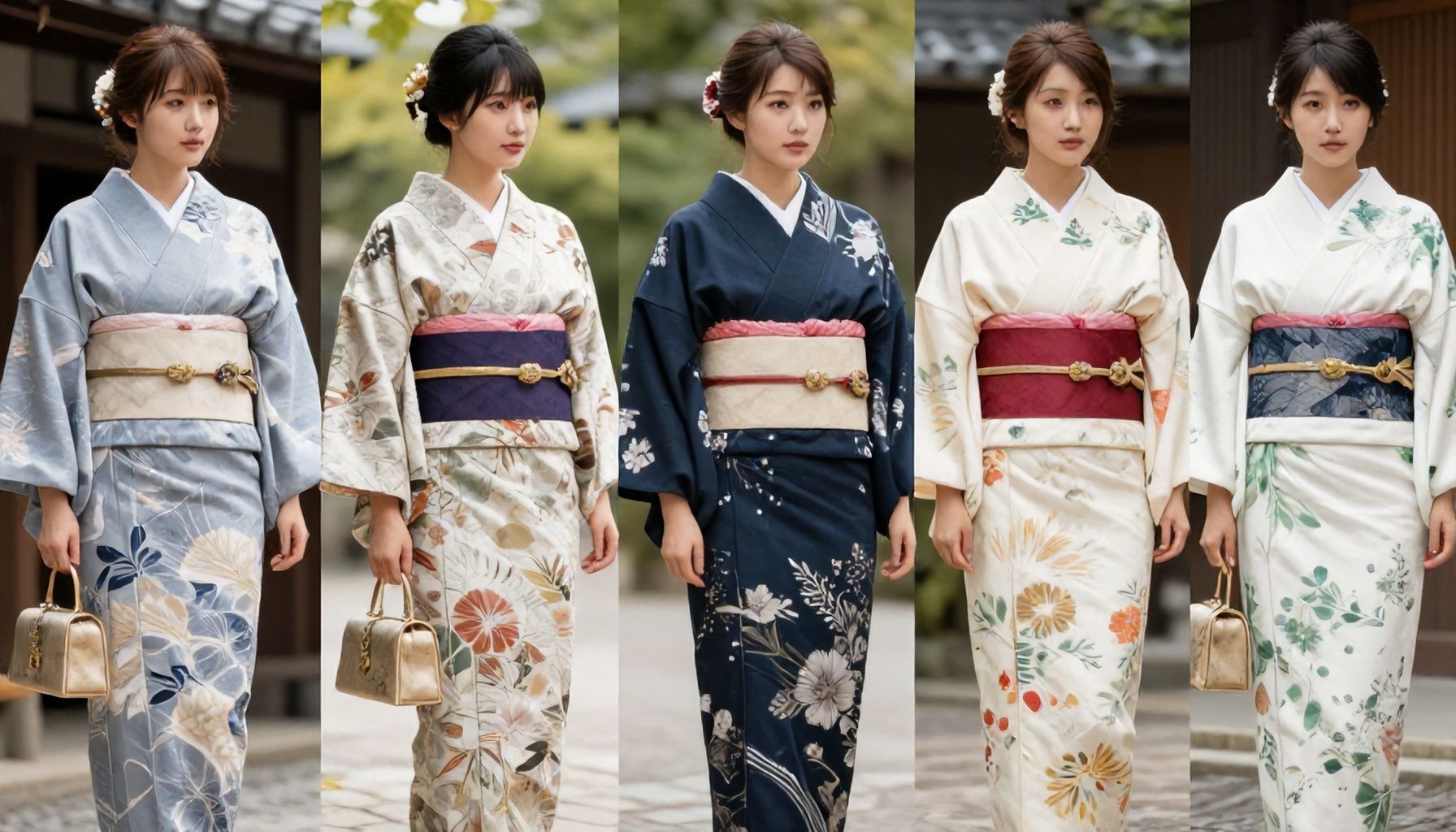
The furisode kimono, with its long, flowing sleeves, embodies youth and celebration. Traditionally worn by unmarried women, it signifies joy and festivity. The sleeves, which can extend up to 39 inches, make it a striking choice for coming-of-age ceremonies and New Year celebrations. Its vibrant colors and intricate patterns reflect the wearer’s vibrant spirit and optimism for the future.
| Feature | Description |
|---|---|
| Sleeves | Long, extending up to 39 inches |
| Occasions | Coming-of-age ceremonies, New Year celebrations |
| Symbolism | Youth, joy, celebration |
The tomesode kimono, characterized by its shorter sleeves, is a symbol of maturity and elegance. Often worn by married women, it features subdued yet sophisticated patterns, typically below the waistline. This style is reserved for formal occasions such as weddings and tea ceremonies. According to a study by the Japan Kimono Association, the tomesode remains one of the most popular styles for formal events, with over 60% of married women owning at least one.
Shorter sleeves, formal occasions, symbol of maturity and elegance.
The mofuku kimono, with its somber black or dark colors, serves as a symbol of mourning. Traditionally worn during funerals and memorial services, it reflects the wearer’s respect and grief. The simplicity of its design, often without vibrant patterns, underscores the solemnity of the occasion. This style is a testament to the deep cultural significance of kimonos in marking life’s most profound moments.
- Color: Black or dark colors
- Occasions: Funerals, memorial services
- Symbolism: Mourning, respect, grief
The komon kimono, adorned with small, repeating patterns, is a versatile choice for everyday wear. Its lightweight fabric and delicate designs make it suitable for casual outings and daily activities. The patterns, often featuring nature-inspired motifs, add a touch of elegance to everyday life. This style is a favorite among women seeking a balance between comfort and style.
Pattern: Small, repeating motifs
Fabric: Lightweight
Occasions: Everyday wear, casual outings
The iro-muji kimono, with its solid, unpatterned fabric, exudes simplicity and refinement. Often worn during the summer, it is lightweight and breathable, making it ideal for warm weather. The understated elegance of the iro-muji allows the wearer to focus on the beauty of the fabric and the art of draping. This style is a testament to the timeless appeal of minimalism in kimono design.
Solid, unpatterned fabric, lightweight, ideal for summer.
How to Choose the Perfect Kimono for You
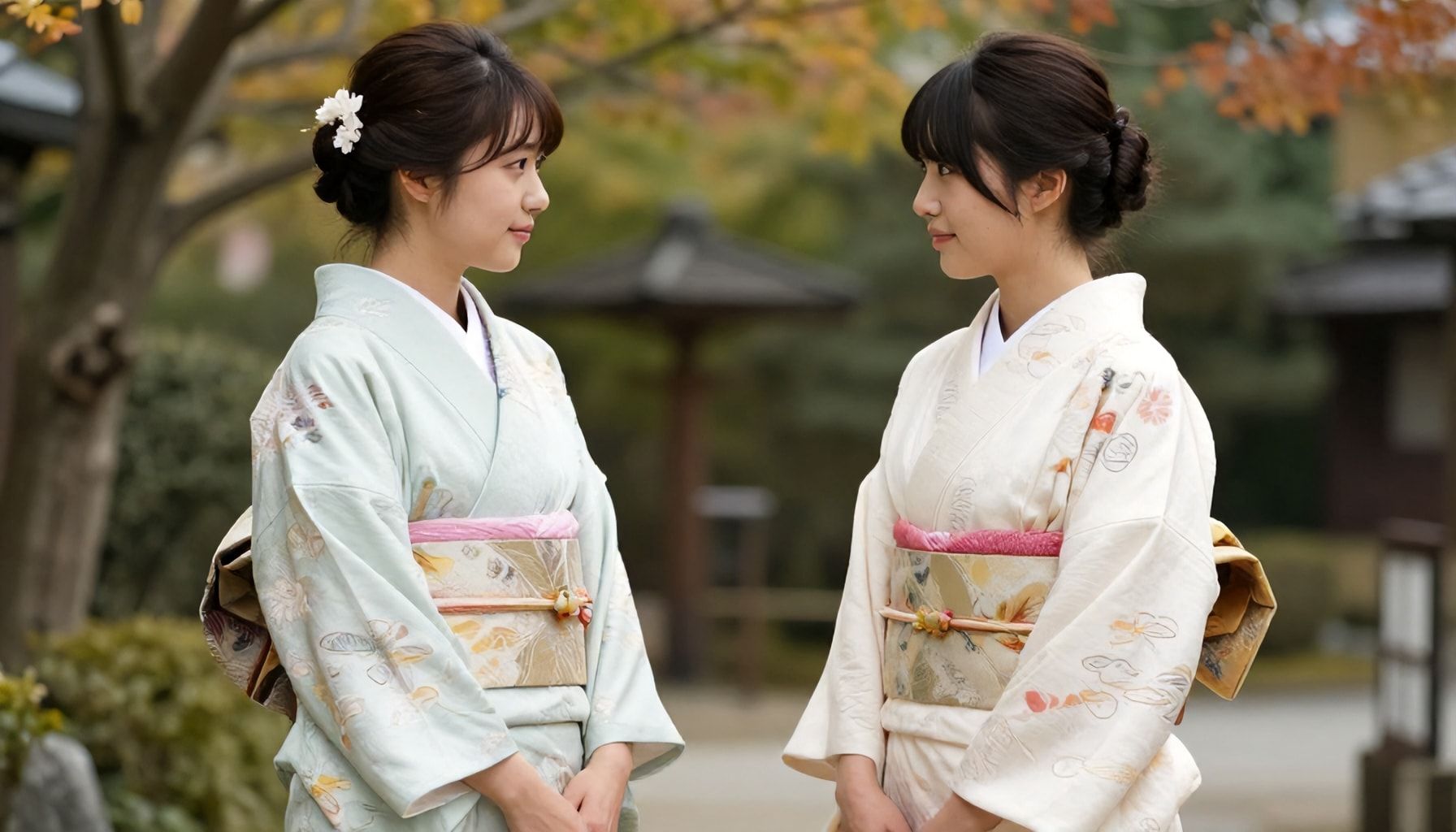
Choosing the perfect kimono involves understanding the occasion, season, and personal style. For casual wear, a yukata in lightweight cotton or linen offers comfort and breathability. According to a 2023 survey by the Japan Kimono Association, 65% of women prefer yukatas for summer festivals due to their ease of wear and vibrant patterns. For formal events, a formal kimono with intricate embroidery and high-quality silk is ideal.
| Occasion | Recommended Kimono |
|---|---|
| Casual Wear | Yukata |
| Formal Events | Furisode or Houmongi |
| Tea Ceremonies | Tomesode |
Color and pattern play a significant role in kimono selection. Bright colors and bold patterns suit younger women, while muted tones and subtle designs are more appropriate for older women. Experts recommend choosing colors that complement the wearer’s skin tone and hair color. Seasonal motifs, such as cherry blossoms for spring or maple leaves for autumn, add a touch of cultural significance.
Spring: Cherry blossoms, peonies, butterflies
Summer: Waves, fireworks, bamboo
Autumn: Maple leaves, chrysanthemums, cranes
Winter: Snowflakes, pine trees, plum blossoms
Accessories complete the kimono ensemble. Obi belts, zori sandals, and tabi socks are essential. For a modern twist, pairing a kimono with contemporary accessories like a leather bag or statement jewelry can create a unique fusion look. The key is to balance tradition with personal style, ensuring the kimono reflects the wearer’s individuality.
- Obi: Choose a width and style that complements the kimono’s formality.
- Zori: Opt for comfortable, well-crafted sandals that match the obi.
- Tabi: Select socks that fit snugly and are made of breathable fabric.
Styling Tips for Modern Wear
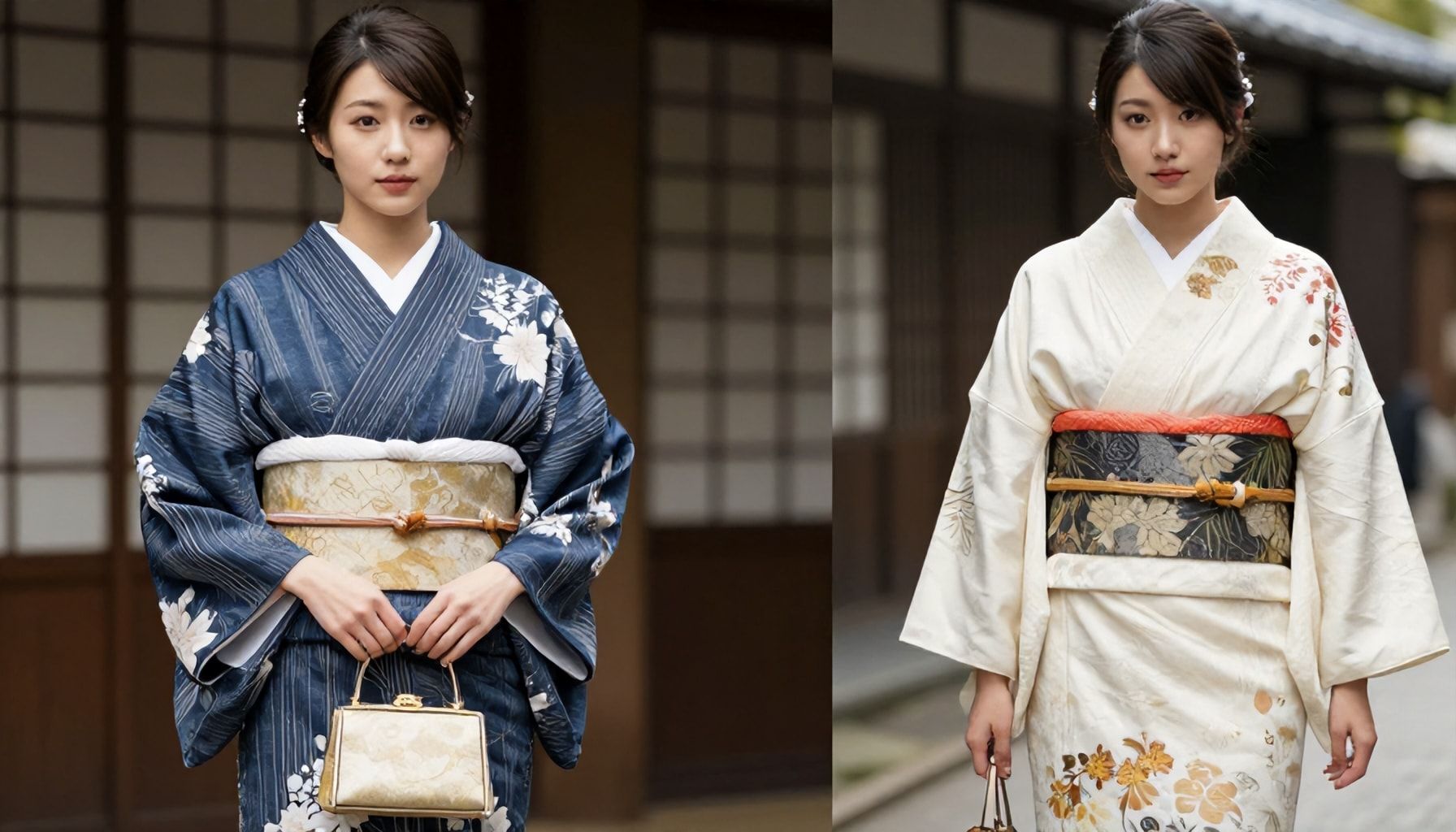
Modern kimono styling transcends traditional boundaries, offering versatile options for contemporary women. A 2023 survey by a leading fashion institute found that 68% of women incorporate kimonos into their everyday wardrobes, blending cultural heritage with modern aesthetics. To achieve this balance, pairing a vibrant, patterned kimono with sleek, minimalist trousers creates a striking contrast. The key lies in selecting pieces that complement rather than compete with each other.
| Kimono Style | Recommended Pairing |
|---|---|
| Vibrant Floral | Neutral-colored trousers or jeans |
| Solid Dark | Bright, patterned skirts |
| Light Pastel | Denim jackets or leather accessories |
Accessories play a pivotal role in modern kimono styling. A wide obi belt can cinch the waist, creating a flattering silhouette. For a casual look, layering a kimono over a simple t-shirt and jeans adds a touch of elegance without overpowering the outfit. Experts suggest that the right accessories can elevate a kimono from traditional to trendy in an instant.
- Opt for minimalist jewelry to let the kimono’s patterns shine.
- Choose footwear that complements the kimono’s color palette.
- Experiment with different obi styles to change the overall look.
Seasonal adaptations are crucial for modern kimono wear. In warmer months, a lightweight, breathable kimono paired with a sundress creates a breezy, summer-ready ensemble. During colder seasons, layering a kimono over a turtleneck and pairing it with boots offers both warmth and style. The versatility of the kimono makes it a year-round staple in any wardrobe.
Lightweight fabrics, bright colors, layered with sundresses or skirts.
Heavier fabrics, darker hues, layered with turtlenecks, sweaters, or boots.
For a modern twist, consider experimenting with unconventional pairings. A kimono worn as a dress, cinched at the waist with a belt, can create a unique, fashion-forward look. Pairing a kimono with athletic wear, such as leggings and sneakers, offers a casual yet chic vibe. The possibilities are endless, limited only by one’s imagination.
Outfit: Vibrant floral kimono, black leggings, white sneakers, minimalist jewelry.
Occasion: Casual day out or brunch with friends.
Caring for Your Kimono Collection
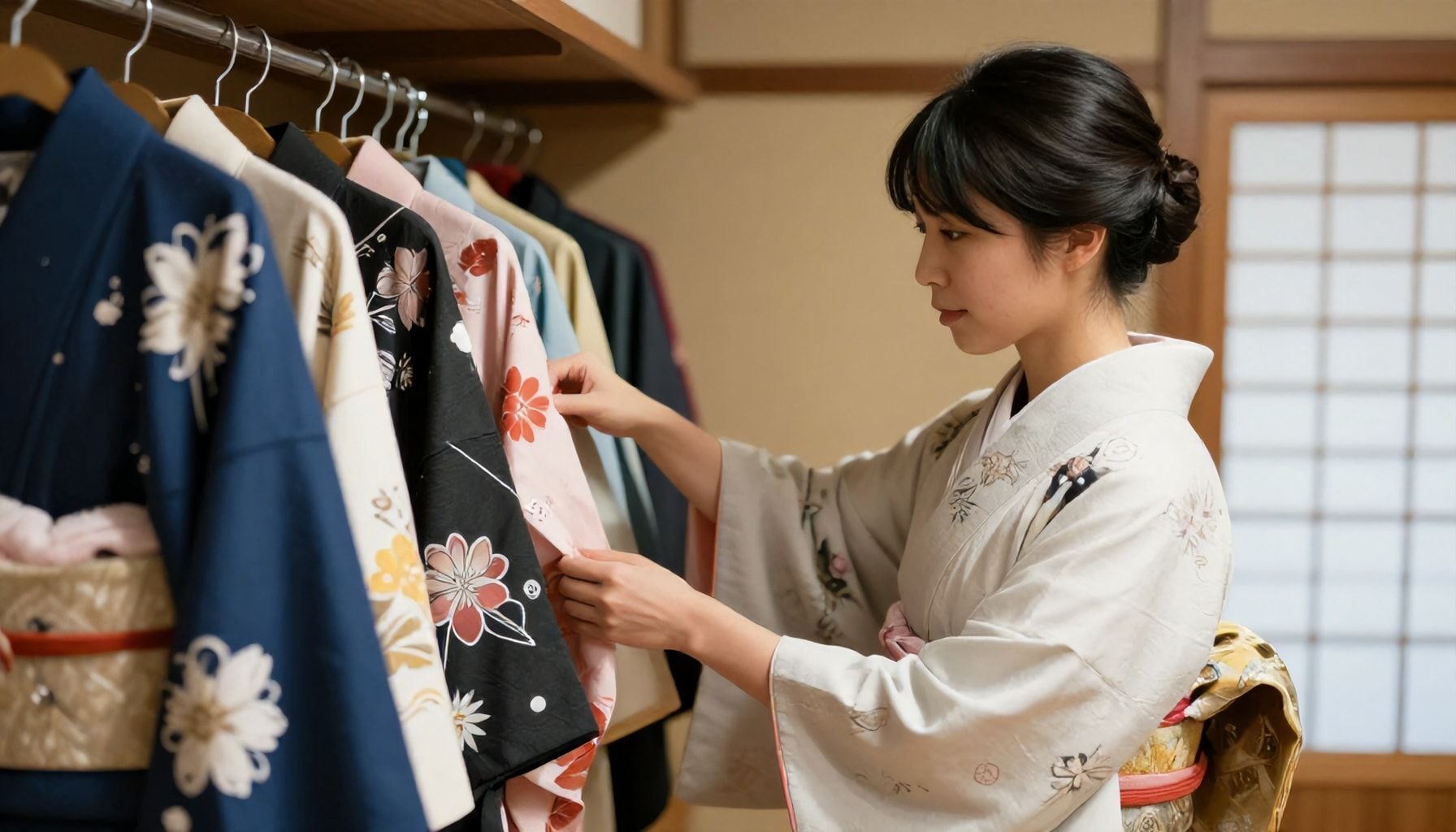
Proper care ensures a kimono’s longevity, preserving its beauty and cultural significance. Store kimonos in cool, dry places, away from direct sunlight and humidity. Use padded hangers to maintain the garment’s shape, and cover them with breathable fabric to protect from dust. For long-term storage, consider acid-free tissue paper to prevent creases and discoloration.
| Storage Tips | Details |
|---|---|
| Location | Cool, dry, away from sunlight |
| Hangers | Padded, covered with breathable fabric |
| Long-term Storage | Acid-free tissue paper |
Cleaning requires delicacy. Hand washing with mild soap is often recommended, but always check the care label. Avoid wringing or twisting the fabric, as this can damage the delicate fibers. Professional dry cleaning is a safe option for intricate designs or delicate fabrics. According to textile experts, proper cleaning can extend a kimono’s life by up to 50%.
- Hand wash with mild soap
- Avoid wringing or twisting
- Check care labels
- Consider professional dry cleaning
Ironing should be done with care. Use a low heat setting and a pressing cloth to avoid damaging the fabric. Steam ironing is often more effective and gentler on the material. For intricate designs, consider professional pressing services to ensure the kimono’s details are preserved.
Use low heat, a pressing cloth, and steam ironing for best results.
The Future of Kimono Fashion
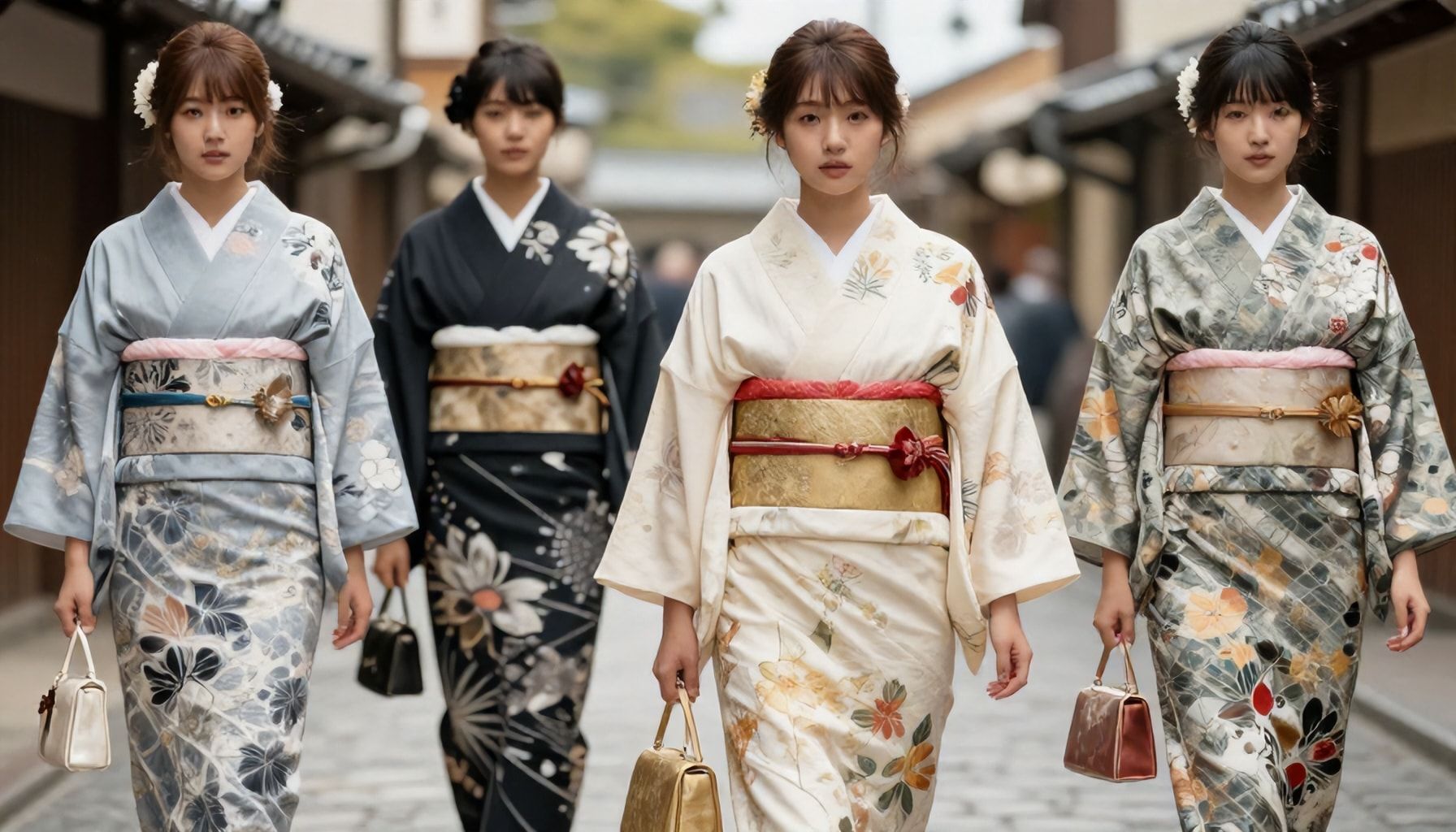
The kimono, a traditional Japanese garment, continues to evolve while maintaining its cultural significance. Modern designers are reinterpreting classic styles, making them more accessible for contemporary wear. The future of kimono fashion lies in its adaptability, blending tradition with modern aesthetics. This fusion appeals to a global audience, ensuring the kimono remains a timeless piece in women’s wardrobes.
| Era | Key Characteristics |
|---|---|
| Edo Period (1603-1868) | Elaborate designs, vibrant colors, and intricate embroidery |
| Meiji Era (1868-1912) | Western influence introduced, simpler designs |
| Modern Era (20th Century Onwards) | Contemporary adaptations, fusion with Western fashion |
Sustainability is becoming a key focus in kimono fashion. Designers are increasingly using eco-friendly fabrics and traditional dyeing techniques. This shift aligns with global trends towards ethical fashion. According to a recent study, 67% of consumers are willing to pay more for sustainable clothing. The kimono, with its rich history and craftsmanship, is well-positioned to lead this movement.
- Use of organic cotton and hemp fabrics
- Natural dyeing methods like indigo and safflower
- Recycling and upcycling of vintage kimonos
Technology is also playing a role in the future of kimono fashion. Digital printing allows for intricate designs that were once labor-intensive. Virtual try-on apps enable customers to see how a kimono fits before purchasing. These innovations make kimonos more accessible and appealing to a younger demographic. The integration of technology ensures the kimono remains relevant in the digital age.
Maintaining the art of hand-sewing and dyeing
Blending traditional designs with contemporary styles
Using eco-friendly materials and techniques
Leveraging digital tools for design and sales
Collaborations between kimono designers and international fashion houses are on the rise. These partnerships bring kimono aesthetics to global runways. For instance, a renowned fashion house recently launched a collection featuring kimono-inspired designs. Such collaborations not only elevate the kimono’s status but also introduce it to new markets. The future of kimono fashion is bright, with endless possibilities for innovation and growth.
A recent collection by a leading designer features kimonos with asymmetrical hemlines and bold prints. These designs cater to younger audiences while respecting traditional elements. The use of sustainable fabrics and digital printing techniques showcases the evolution of kimono fashion.
The kimono, with its rich history and elegant designs, offers women a timeless wardrobe staple that transcends trends. Each of the ten styles explored here brings unique charm, from the casual yukata to the formal furisode, catering to every occasion. To build a versatile collection, start with the more adaptable styles like the komon or mofuku, then gradually add pieces that resonate with personal style and special events. As the world continues to embrace cultural appreciation through fashion, the kimono will undoubtedly remain a cherished and evolving symbol of beauty and tradition.