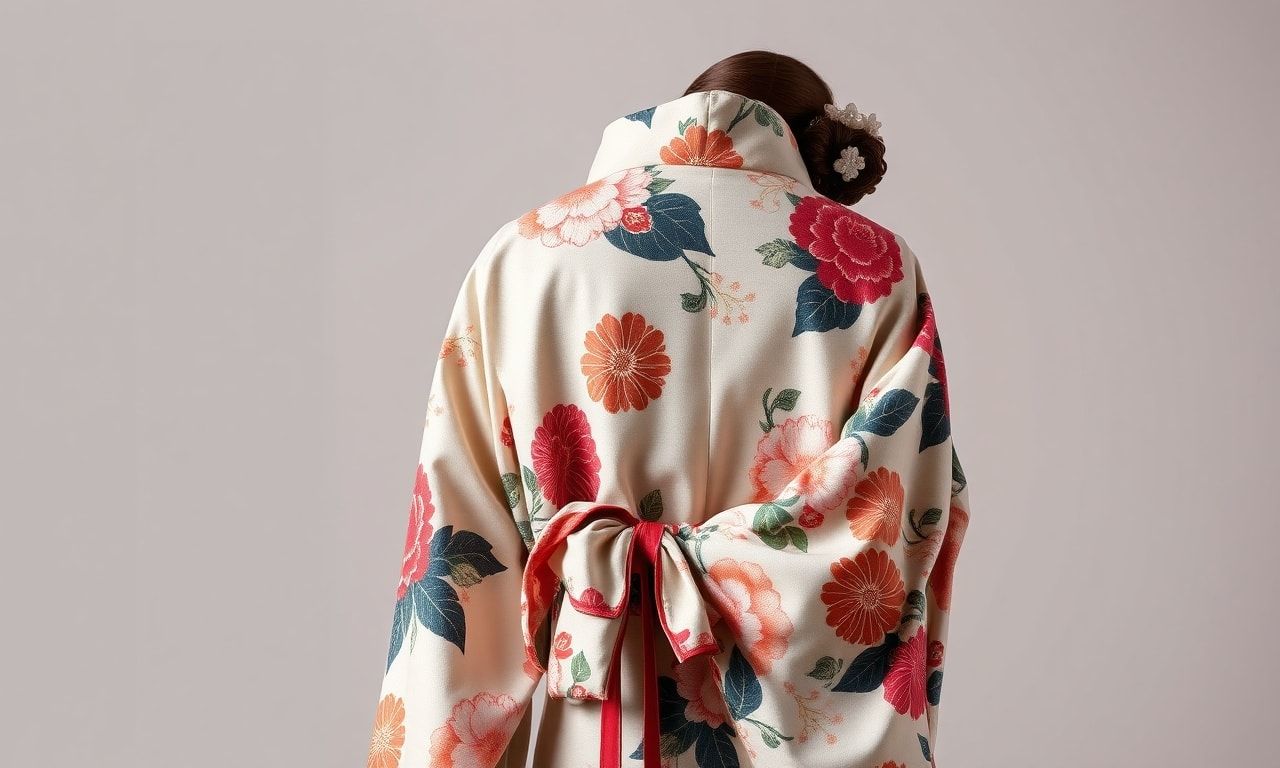
The Kimono: A Cultural Icon
The kimono, a traditional Japanese garment, is more than just a piece of clothing; it’s a cultural icon that has transcended borders and centuries. The word ‘kimono’ literally translates to ‘thing to wear’ (ki ‘wear’ + mono ‘thing’), reflecting its fundamental role in Japanese culture. Today, the kimono is celebrated worldwide for its elegance, craftsmanship, and the rich history it embodies. Whether you’re a fashion enthusiast or a history buff, the kimono offers a unique blend of artistry and tradition that continues to inspire modern fashion trends.
The Art of Kimono Making
Creating a kimono is an intricate process that involves multiple stages, each requiring meticulous attention to detail. The process begins with the selection of high-quality fabrics, often silk, which is then dyed and printed with elaborate patterns. The fabric is cut into large rectangular panels, which are then assembled using traditional sewing techniques. One of the most distinctive features of the kimono is its straight-line cutting, which allows for minimal waste and maximum efficiency. The final product is a garment that is both functional and beautiful, showcasing the wearer’s status, personality, and even the season.
Kimono Styles and Occasions
Kimonos come in a variety of styles, each suited for different occasions and seasons. The most formal type is the ‘furisode,’ characterized by its long, flowing sleeves, often worn by unmarried women during special events like weddings and coming-of-age ceremonies. For more casual settings, the ‘komon’ is a popular choice, featuring smaller, repeating patterns that make it versatile and easy to wear. Seasonal kimonos, such as those adorned with cherry blossoms for spring or maple leaves for autumn, add a touch of nature’s beauty to the wearer’s ensemble. Understanding the different styles and their appropriate settings is crucial for anyone looking to incorporate kimonos into their wardrobe.
Accessories and Adornments
No kimono ensemble is complete without the right accessories. Obi, the wide sash tied around the waist, comes in various styles and materials, each complementing the kimono’s design. Other essential accessories include tabi (split-toe socks), zori (traditional sandals), and hair ornaments like kanzashi. These accessories not only enhance the overall look but also provide practical benefits, such as the obi’s ability to keep the kimono securely in place. For those new to kimono fashion, consulting resources like the avukat istihdam rehberi can offer valuable insights into the cultural significance and proper use of these accessories.
Kimono in Modern Fashion
The kimono’s influence extends far beyond traditional Japanese culture, inspiring contemporary fashion designers worldwide. High-fashion brands often incorporate kimono elements into their collections, blending traditional aesthetics with modern trends. The kimono’s flowing lines and intricate patterns can be seen in everything from high-end couture to everyday streetwear. This fusion of old and new demonstrates the kimono’s timeless appeal and its ability to adapt to changing fashion landscapes. Whether worn as a statement piece or integrated into a modern outfit, the kimono continues to captivate fashion lovers everywhere.
Caring for Your Kimono
Owning a kimono is a privilege that comes with the responsibility of proper care. Due to the delicate nature of the fabrics and dyes used, kimonos require special attention to maintain their beauty and longevity. It is generally recommended to hand-wash kimonos using mild detergents and to avoid harsh chemicals that can damage the fabric. Storing kimonos properly is equally important; they should be kept in a cool, dry place, preferably in a breathable garment bag to prevent moisture and pests. Regular inspections for signs of wear and tear can help address issues before they become significant problems, ensuring that your kimono remains a cherished piece for years to come.
DIY Kimono Styling Tips
For those looking to experiment with kimono styling at home, there are plenty of creative ways to incorporate this traditional garment into modern outfits. Pairing a kimono with jeans and a simple top can create a bohemian-chic look, perfect for casual outings. Layering a kimono over a dress or jumpsuit adds a touch of elegance to evening wear. Accessorizing with statement jewelry and bold makeup can further enhance the kimono’s visual impact. The key is to balance the kimono’s intricate patterns and colors with the rest of your ensemble, allowing the garment to shine while complementing your personal style.
Dive into the fascinating world where sports and law collide with our latest feature, legal insights in athletic fashion, and discover how the courtroom can influence your activewear choices.
As we step into a new year, it’s time to explore the fresh faces and trends that will define the fashion landscape; discover the rising stars of 2023 and the styles they’re bringing to the forefront.
To ensure your fashion empire stays as vibrant as your wardrobe, dive into mastering personal finance steps and keep your style game on point.