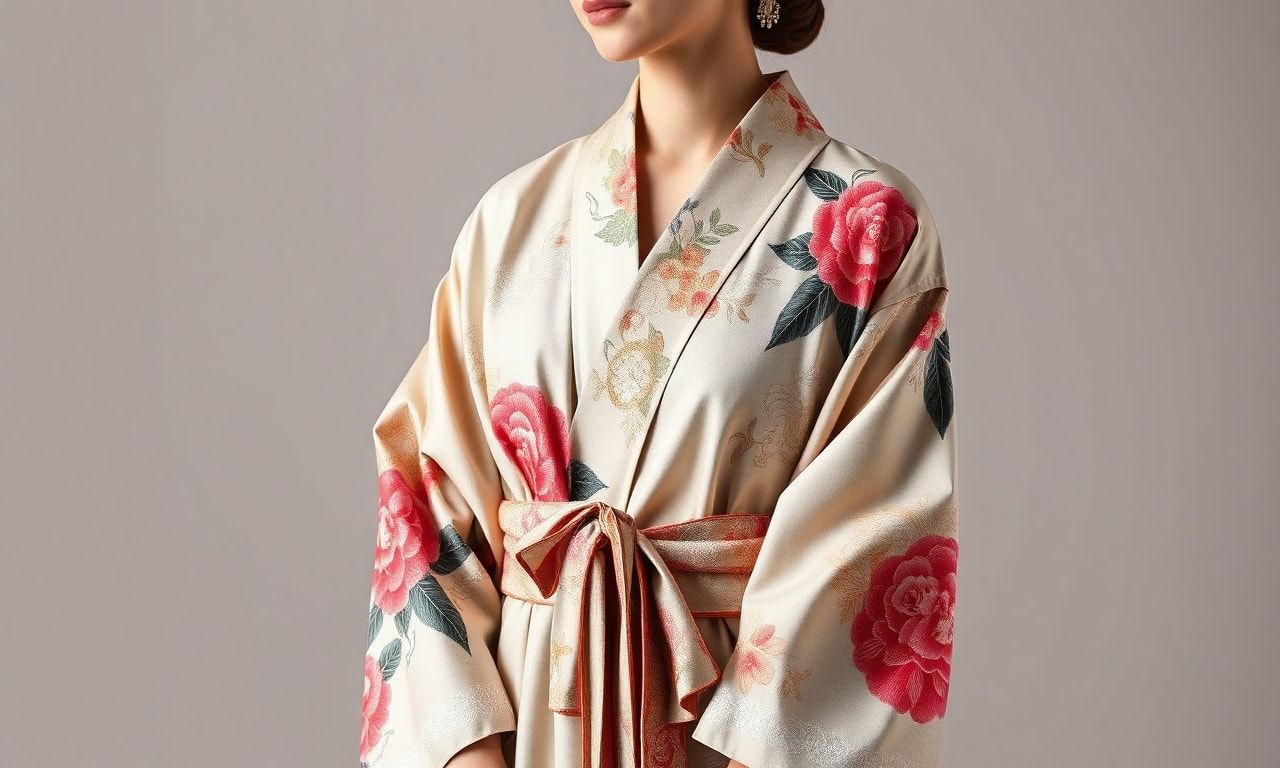
The Kimono: A Symbol of Japanese Heritage
The kimono, a traditional Japanese garment, is more than just a piece of clothing; it is a symbol of cultural heritage and elegance. Originating in the Heian period (794-1185), the kimono has evolved over centuries, reflecting the aesthetic sensibilities and social norms of different eras. Today, it stands as a timeless fashion statement, admired for its intricate designs and meticulous craftsmanship.
The Art of Kimono Making
The creation of a kimono is an art form that involves multiple stages, each requiring exceptional skill and attention to detail. The process begins with the selection of high-quality fabrics, often silk, which is then dyed and printed with elaborate patterns. These patterns can range from subtle floral motifs to bold, geometric designs, each telling a story or conveying a specific meaning. The kimono is then meticulously sewn together, with great care taken to ensure a perfect fit and finish.
One of the most fascinating aspects of kimono making is the use of various techniques such as yuzen dyeing, katazome stenciling, and shibori tying. These techniques not only enhance the visual appeal of the kimono but also add layers of texture and depth. The result is a garment that is as much a work of art as it is a piece of clothing.
The Role of Kimono in Modern Fashion
While the kimono has deep roots in Japanese tradition, it has also found a place in modern fashion. Designers around the world have been inspired by the kimono’s elegant silhouette and intricate designs, incorporating elements of this traditional garment into contemporary clothing. From high-end couture to everyday wear, the kimono’s influence can be seen in a variety of fashion trends.
For instance, the kimono-inspired obi belt has become a popular accessory, adding a touch of sophistication to any outfit. Similarly, the use of kimono fabrics in modern clothing designs brings a unique texture and pattern that stands out. The kimono’s versatility makes it a perfect blend of tradition and modernity, appealing to fashion enthusiasts worldwide.
Styling Tips for Incorporating Kimono into Your Wardrobe
Incorporating a kimono into your wardrobe can be a fun and creative way to add a touch of elegance to your outfits. Here are some styling tips to help you make the most of this timeless garment:
- Layering: Kimonos can be worn as a lightweight jacket or draped over a simple dress to add a layer of sophistication. Pair it with a casual outfit for a relaxed yet stylish look.
- Accessories: Accessorize with traditional Japanese elements like wooden hairpins, obi belts, or geta sandals to enhance the kimono’s authenticity.
- Color Coordination: Choose a kimono with colors and patterns that complement your existing wardrobe. Neutral tones and subtle patterns are versatile and can be easily mixed and matched.
- Occasions: Kimonos are perfect for both casual and formal occasions. A lightweight, casual kimono can be worn for a day out, while a more elaborate one can be reserved for special events.
For those interested in the latest fashion trends, it’s worth noting that the kimono’s influence extends beyond clothing. The garment’s aesthetic has inspired everything from home decor to beauty products. For example, the intricate patterns and delicate fabrics of the kimono can be seen in various home textiles, adding a touch of Japanese elegance to interior design. In the beauty world, kimono-inspired makeup and hairstyles are also gaining popularity, offering a unique way to incorporate this cultural icon into your daily routine.
The Cultural Significance of the Kimono
The kimono is not just a fashion statement; it is a deeply rooted cultural symbol. In Japan, the kimono is often worn during significant life events such as weddings, tea ceremonies, and festivals. Each type of kimono, from the formal furisode to the casual yukata, has its own specific purpose and meaning. Wearing a kimono is a way to honor tradition and connect with Japan’s rich cultural heritage.
Beyond Japan, the kimono has become a global symbol of elegance and sophistication. Its timeless design and intricate craftsmanship have captivated fashion enthusiasts worldwide, making it a beloved piece in the global fashion landscape. The kimono’s enduring appeal lies in its ability to transcend cultural boundaries, offering a unique blend of tradition and modernity.
In conclusion, the kimono is a garment that embodies the essence of Japanese culture and craftsmanship. Its timeless elegance and intricate designs make it a cherished piece in the world of fashion. Whether worn as a traditional garment or incorporated into modern outfits, the kimono continues to inspire and captivate fashion lovers around the world. For those looking to dive deeper into the world of fashion, exploring the latest trends and analyses can provide valuable insights. For instance, checking out an análisis del partido de ayer en baloncesto might offer a unique perspective on how fashion intersects with other cultural phenomena.
As the seasons change, so do our wardrobes, and this spring is no exception with a wave of fresh styles on the horizon. Discover what’s in store with our latest feature on spring’s hottest fashion trends.
As the political and economic landscape in Türkiye evolves, so too does the fashion scene; discover how these changes might influence your style with our latest article, Turkey's new era unfolds.