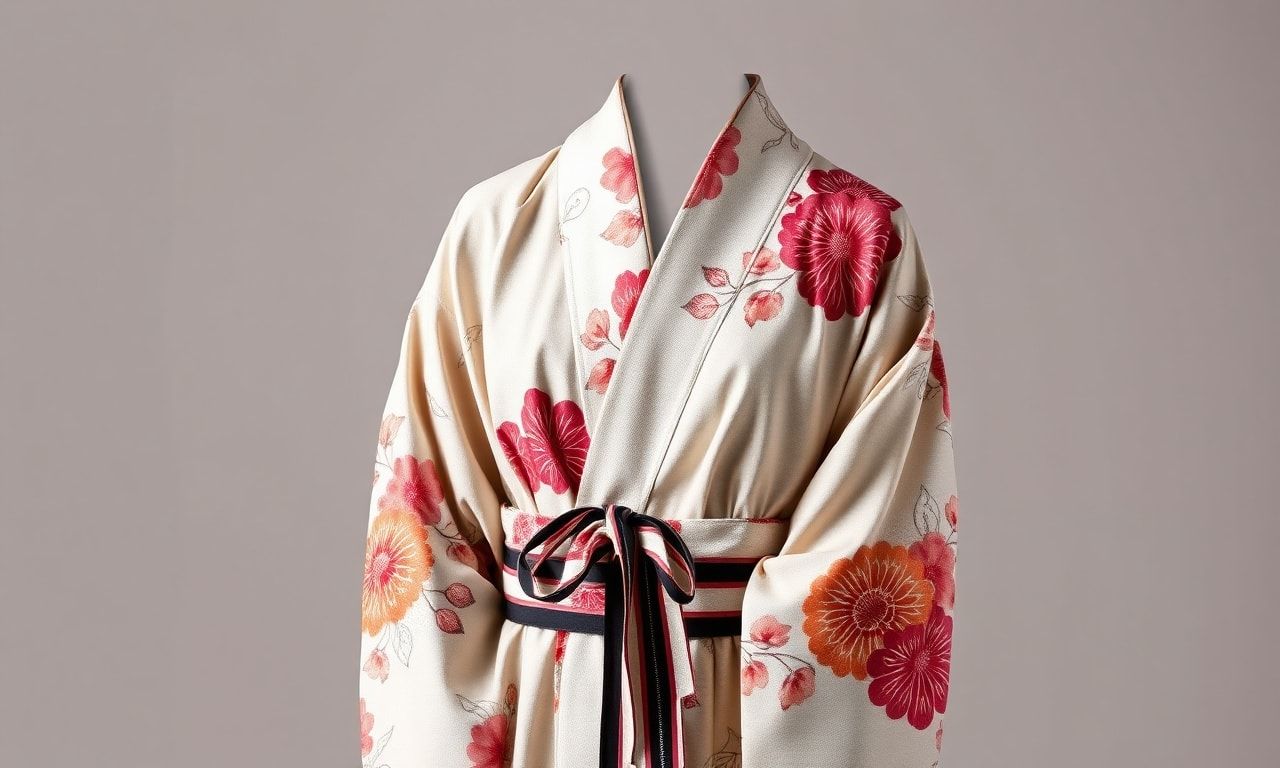
The Kimono: A Symbol of Japanese Heritage
\nThe kimono, a traditional Japanese garment, is more than just a piece of clothing; it is a symbol of cultural heritage and artistic expression. The word ‘kimono’ translates to ‘thing to wear’ in English, but its significance transcends its literal meaning. For centuries, the kimono has been an integral part of Japanese fashion, reflecting the country’s rich history, seasonal changes, and social status.
\n\nOriginally worn by both men and women, the kimono has evolved over time, incorporating various styles and designs. Today, it is primarily associated with women’s fashion, although men’s kimono, such as the montsuki, still hold cultural importance. The kimono’s design is characterized by wide sleeves, a wrap-around robe secured by a sash called an obi, and intricate patterns that often depict nature, folklore, or abstract art.
\nThe Art of Kimono Making
\nCreating a kimono is a meticulous process that involves several stages, from designing the pattern to the final stitching. Traditional kimonos are handcrafted by skilled artisans who dedicate years to mastering their craft. The process begins with selecting the finest fabrics, such as silk, cotton, or synthetic materials, each chosen for its texture, durability, and aesthetic appeal.
\nOnce the fabric is selected, the design is carefully planned, taking into account the wearer’s preferences, the occasion, and the season. The fabric is then cut and sewn together, with great attention to detail. The obi, a wide sash that cinches the kimono at the waist, is often the focal point of the garment. It comes in various styles and can be adorned with intricate embroidery, brocade, or other decorative elements.
\nThe Significance of Kimono Patterns
\nThe patterns and motifs on a kimono are not merely decorative; they often carry symbolic meanings. For instance, cherry blossoms, or sakura, represent the transient nature of life, while cranes symbolize longevity and good fortune. The choice of colors is also significant, with each hue conveying a different emotion or message. For example, red is associated with celebration and joy, while blue is often linked to tranquility and serenity.
\nIn addition to the patterns, the way a kimono is worn can also convey different messages. For example, a formal kimono worn with a large, elaborate obi is typically reserved for special occasions, such as weddings or tea ceremonies. In contrast, a more casual kimono, such as a yukata, is often worn during summer festivals or at home for relaxation.
\nThe Kimono in Modern Fashion
\nWhile the kimono remains a cherished symbol of Japanese heritage, it has also found its way into modern fashion. Designers around the world have drawn inspiration from the kimono’s elegant design, incorporating its elements into contemporary clothing. For example, kimono-inspired jackets, dresses, and even accessories have become popular in recent years, blending traditional aesthetics with modern sensibilities.
\nIn Japan, the kimono continues to be worn for special occasions, but it has also gained popularity as a fashion statement. Many young people are embracing the kimono as a way to connect with their cultural roots while expressing their individuality. This renewed interest has led to a resurgence of kimono-making schools and workshops, where aspiring artisans can learn the craft.
\nThe Kimono and Sustainable Fashion
\nAs the fashion industry increasingly focuses on sustainability, the kimono’s traditional craftsmanship and use of natural materials have made it a symbol of eco-friendly fashion. Many kimono makers prioritize the use of organic fabrics and natural dyes, reducing the environmental impact of their creations. Additionally, the kimono’s timeless design ensures that it remains stylish for years, promoting a more sustainable approach to fashion.
\nFor those interested in exploring the world of kimonos, there are numerous resources available. From online retailers offering a wide range of styles to cultural centers that host kimono-making workshops, there are many ways to delve into this fascinating aspect of Japanese heritage. For example, if you’re looking for the latest in fashion and lifestyle trends, you might also want to check out bankacılık ürünleri güncel for innovative ideas that blend style and practicality.
\nThe Kimono’s Global Influence
\nThe kimono’s influence extends far beyond Japan, captivating fashion enthusiasts around the world. Its unique design and cultural significance have made it a sought-after item in the global fashion market. From high-end couture to streetwear, the kimono’s elements can be seen in various forms, showcasing its versatility and timeless appeal.
\nIn recent years, collaborations between Japanese and international designers have further popularized the kimono. These collaborations have resulted in innovative designs that merge traditional Japanese aesthetics with contemporary fashion trends. For instance, kimono-inspired prints and fabrics have been incorporated into Western clothing, creating a fusion of styles that appeals to a diverse audience.
\nThe Future of the Kimono
\nAs fashion continues to evolve, the kimono’s role in the industry is likely to grow. Its rich history, cultural significance, and timeless design make it a valuable asset in the world of fashion. Whether worn as a traditional garment or incorporated into modern designs, the kimono’s influence is undeniable.
\nFor those looking to explore the world of kimonos, there are numerous resources available. From online retailers offering a wide range of styles to cultural centers that host kimono-making workshops, there are many ways to delve into this fascinating aspect of Japanese heritage. Whether you’re a fashion enthusiast or simply curious about Japanese culture, the kimono offers a unique and enriching experience.
\nAs the temperatures rise, so do the fashion stakes, and we’ve got the ultimate guide to help you shine this season. Discover the vibrant trends that will define your summer wardrobe in our feature on summer’s boldest fashion statements.
\nDiscover the art of staying ahead in the dynamic world of fashion with our latest feature, tracking trends like a pro, your ultimate guide to navigating style trends and beauty tips.
\n\n\nWhile we often focus on the glamour of sports and style, it's crucial to consider the financial game plan behind the scenes; dive into athletes' financial strategy essentials to understand how to manage success both on and off the field.