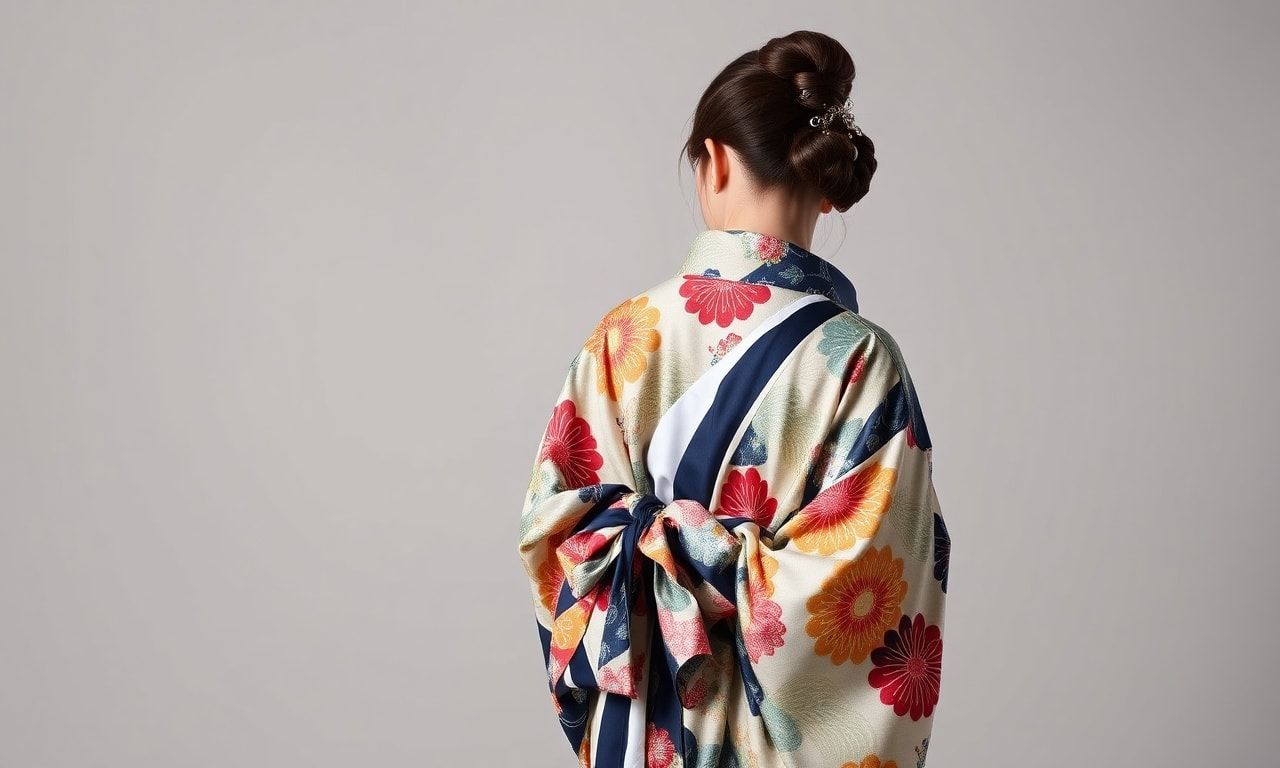
The Timeless Elegance of Kimono
The kimono, a traditional Japanese garment, has been a symbol of elegance and cultural heritage for centuries. Its intricate designs and vibrant colors tell stories of history, art, and social status. In today’s fashion landscape, the kimono has found a new lease on life, blending seamlessly with modern trends and becoming a staple in both casual and formal wear.
Kimono in Modern Fashion
Modern fashion has embraced the kimono in various forms, from casual wear to high-end couture. Designers worldwide are incorporating kimono elements into their collections, creating a fusion of traditional and contemporary styles. The kimono’s versatility allows it to be worn in numerous ways, making it a favorite among fashion enthusiasts.
Styling Tips for the Modern Kimono
To style a kimono in a modern context, consider pairing it with contemporary pieces. A lightweight kimono can be worn over a simple t-shirt and jeans for a casual, bohemian look. For a more formal occasion, layer it over a sleek dress or a tailored suit. The key is to balance the traditional silhouette with modern elements to create a harmonious blend.
Accessories play a crucial role in completing the kimono look. Traditional obi belts can be replaced with modern sashes or wide belts to add a contemporary touch. Footwear choices can range from traditional geta sandals to modern sneakers or heels, depending on the occasion. Don’t forget to accessorize with statement jewelry, such as bold necklaces or earrings, to elevate the overall look.
Kimono for Different Occasions
The kimono’s adaptability makes it suitable for various occasions. For a casual day out, opt for a lightweight, casual kimono in soft, pastel colors. Pair it with comfortable pants or shorts and sandals for a relaxed, yet stylish look. For a beach outing, a vibrant, patterned kimono can be draped over a swimsuit, providing both style and sun protection.
For more formal events, choose a kimono with intricate designs and rich fabrics. A formal kimono can be worn to weddings, galas, or other special occasions. Pair it with traditional accessories like a hakoseko (a small decorative pouch) and zori (traditional sandals) for an authentic look. Remember, the key to pulling off a formal kimono is to embrace its traditional elements while adding a touch of personal style.
Traveling with Kimono: A Unique Experience
Traveling with a kimono can be a unique and enriching experience. Whether you’re exploring the bustling streets of Tokyo or the serene landscapes of Kyoto, wearing a kimono can enhance your cultural immersion. It’s not just about the fashion; it’s about connecting with the history and traditions of Japan.
If you’re planning a trip to Japan, consider visiting some of the most picturesque backpacking destinations budget guide spots. These destinations offer a glimpse into Japan’s rich cultural heritage and provide the perfect backdrop for your kimono photos. From the historic temples of Kyoto to the vibrant streets of Tokyo, each location offers a unique experience that complements the elegance of the kimono.
Cultural Etiquette and Tips
When wearing a kimono, especially in Japan, it’s essential to be mindful of cultural etiquette. Here are some tips to help you navigate the dos and don’ts:
- Respect the Tradition: The kimono is a symbol of Japanese culture. Wear it with respect and understanding of its significance.
- Proper Wearing Technique: Learning how to wear a kimono correctly can be challenging. Consider seeking guidance from a professional or watching tutorial videos to ensure you’re wearing it properly.
- Appropriate Occasions: While kimonos can be worn for various occasions, some are more suitable for formal events. Choose the right type of kimono for the occasion to avoid cultural faux pas.
- Footwear: Traditional footwear, such as geta or zori, is often worn with kimonos. Make sure to wear the appropriate footwear to complete the look.
- Accessories: Accessories like obi belts, hakoseko, and kanzashi (ornamental hairpins) add to the kimono’s elegance. Choose accessories that complement the kimono’s design and color.
Caring for Your Kimono
Proper care is essential to maintain the beauty and longevity of your kimono. Here are some tips to keep your kimono in pristine condition:
- Storage: Store your kimono in a cool, dry place away from direct sunlight. Use a breathable garment bag to protect it from dust and moisture.
- Cleaning: Kimonos are delicate and require special care when cleaning. Always follow the care instructions provided by the manufacturer. In general, hand washing or dry cleaning is recommended.
- Ironing: Use a low-heat setting when ironing your kimono to avoid damaging the fabric. A pressing cloth can be used to protect the delicate fabric from direct heat.
- Repairs: If your kimono requires repairs, seek the help of a professional who specializes in traditional Japanese garments. They have the expertise to handle delicate fabrics and intricate designs.
By following these care tips, you can ensure that your kimono remains a cherished piece in your wardrobe for years to come.
Conclusion
The kimono is more than just a piece of clothing; it’s a symbol of cultural heritage and timeless elegance. Its versatility and adaptability make it a valuable addition to any wardrobe. Whether you’re wearing it for a special occasion or incorporating it into your everyday style, the kimono offers a unique blend of tradition and modernity. Embrace the beauty of the kimono and let it inspire your fashion journey.
To complement your stylish journey, explore Munich’s chicest spots and trends for an unforgettable, fashion-forward experience.
As the chill of winter sets in, discover how to embrace the season with style by exploring Vermont’s cozy winter fashion trends, where warmth meets chic in the most enchanting ways.
To ensure your financial savvy matches your stylish wardrobe, explore practical money management tips that will keep you looking and feeling fabulous.