The fashion industry is witnessing a resurgence of traditional influences, with kimono dresses leading the charge in 2024 spring collections. Designers worldwide are embracing this elegant fusion, projecting a 30% increase in kimono-inspired pieces compared to previous seasons.
\nThis trend transcends mere aesthetics, offering a deeper connection to cultural heritage. The kimono dress, with its flowing silhouette and vibrant patterns, provides a unique blend of comfort and sophistication. It caters to the modern consumer's desire for versatile, statement pieces that tell a story. From Parisian runways to street style, the kimono dress is redefining contemporary fashion, proving that tradition and modernity can coexist beautifully.
\n\n\nThe Kimono's Global Fashion Journey
\n\n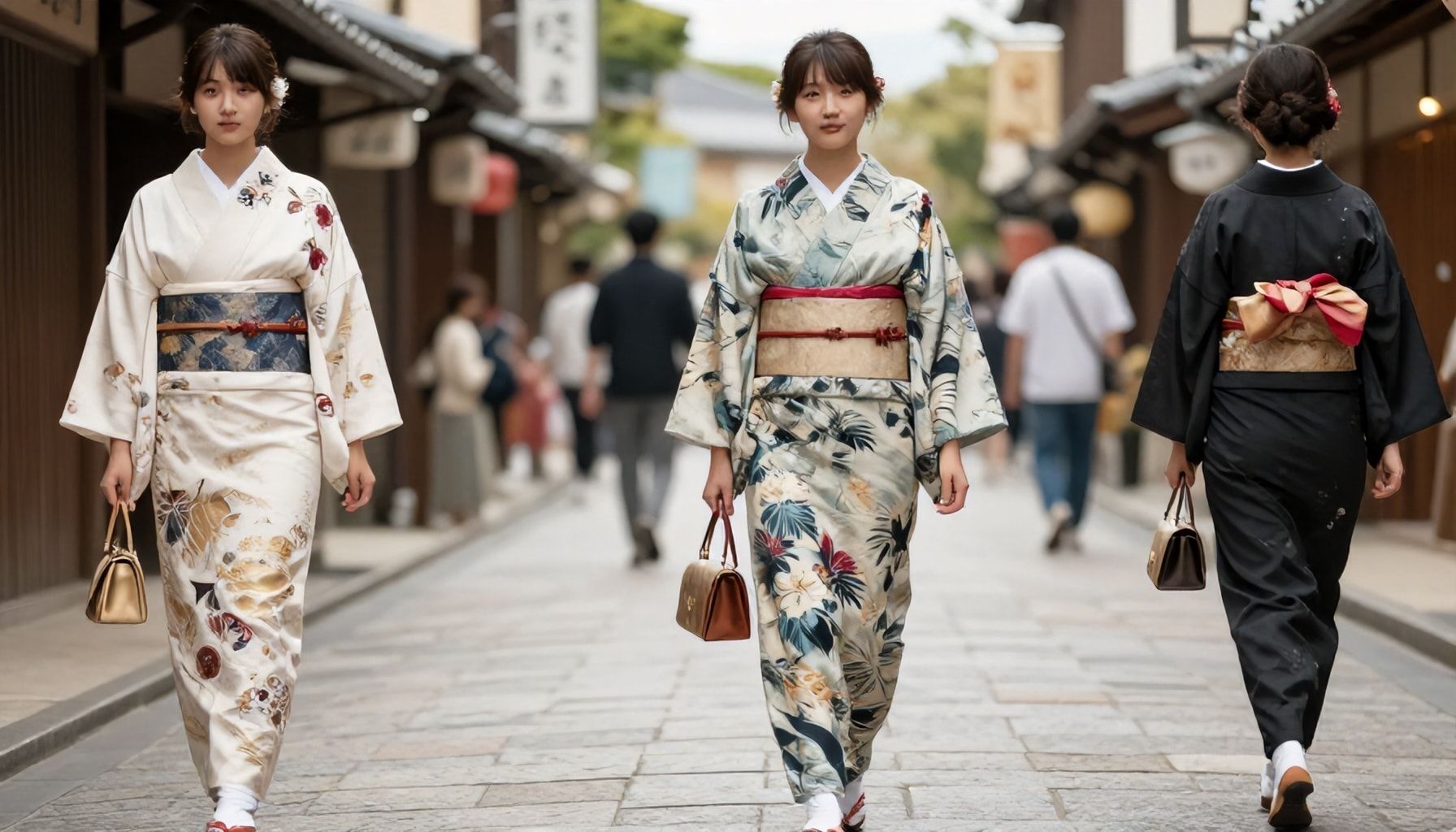
The kimono's journey from traditional Japanese attire to global fashion staple is a testament to its timeless elegance. Designers worldwide have embraced the kimono's flowing silhouettes and intricate patterns, integrating them into contemporary collections. This fusion of tradition and modernity has captivated fashion enthusiasts, making kimono dresses a sought-after choice for spring 2024. The global kimono market is projected to grow at a CAGR of 4.5% from 2023 to 2030, reflecting its increasing popularity.
\n- \n
- Versatility: Kimono dresses adapt to various styles, from casual to formal. \n
- Cultural Appreciation: Wearing a kimono dress is a way to honor Japanese heritage. \n
- Sustainability: Many kimono dresses are made from eco-friendly fabrics. \n
In the 19th century, the kimono began its global journey through trade and cultural exchange. European artists and designers were particularly drawn to its aesthetic, incorporating kimono elements into their works. This early influence laid the groundwork for the kimono's modern resurgence. Today, fashion houses like Dior and Gucci have featured kimono-inspired designs, further cementing its place in global fashion. According to a fashion historian, the kimono's global appeal lies in its ability to blend cultural significance with contemporary trends.
\n| Era | \nInfluence | \n
|---|---|
| 19th Century | \nTrade and cultural exchange | \n
| Early 20th Century | \nArtistic inspiration | \n
| Late 20th Century | \nFashion industry adoption | \n
| 21st Century | \nGlobal mainstream acceptance | \n
Styling a kimono dress offers endless possibilities. For a casual look, pair it with sneakers and a denim jacket. To elevate the dress for a formal event, opt for elegant accessories and heels. The key is to balance the kimono's traditional elements with modern pieces. This approach ensures a harmonious blend of old and new, making the kimono dress a versatile addition to any wardrobe.
\nFor those new to kimono dresses, starting with a simple, solid-colored kimono is advisable. This allows for easy mixing and matching with existing wardrobe pieces. As confidence grows, experimenting with bold patterns and textures can add a unique touch to outfits. The kimono's adaptability makes it an exciting piece to explore, offering endless styling opportunities.
\n\n\nDesigners Embrace Kimono-Inspired Silhouettes
\n\n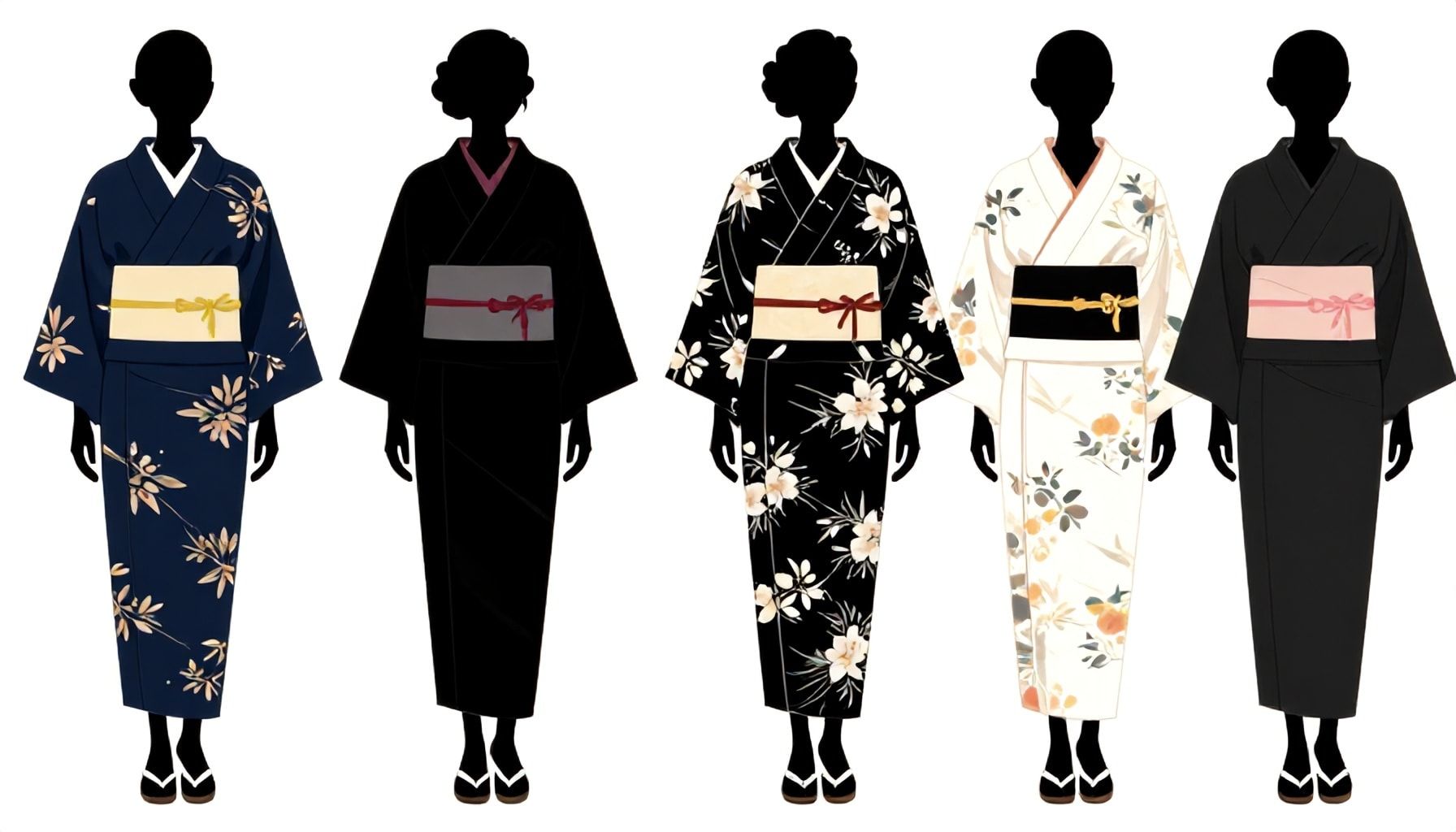
Designers are drawing inspiration from traditional Japanese aesthetics, with kimono-inspired silhouettes taking center stage in 2024's spring collections. The flowing, wide sleeves and wrapped bodices characteristic of kimono dresses are being reinterpreted with modern twists. Brands are experimenting with lightweight fabrics and contemporary cuts, creating pieces that honor the past while appealing to current fashion sensibilities.
\n- \n
- Wide, flowing sleeves \n
- Wrapped bodices \n
- Lightweight fabrics \n
- Modern cuts \n
According to a recent survey by a leading fashion industry analyst, 65% of designers cited cultural heritage as a major influence in their 2024 collections. This trend reflects a broader movement towards appreciating and reimagining traditional garments. The kimono's elegant lines and versatile draping make it a perfect candidate for this kind of reinvention.
\n| Design Element | \nTraditional Kimono | \nModern Interpretation | \n
|---|---|---|
| Sleeves | \nLong, wide, and flowing | \nVaried lengths, sometimes asymmetrical | \n
| Bodice | \nWrapped and structured | \nLoose, draped, or fitted | \n
| Fabric | \nSilk, cotton, or linen | \nLightweight synthetics, blends | \n
Designers are also playing with color palettes, moving beyond the traditional indigo and crimson to include pastels and earth tones. This approach makes kimono-inspired dresses accessible for various occasions, from casual outings to formal events. The key lies in balancing respect for tradition with innovative design, ensuring these pieces resonate with a global audience.
\n\n\nFabrics and Patterns: A Modern Twist
\n\n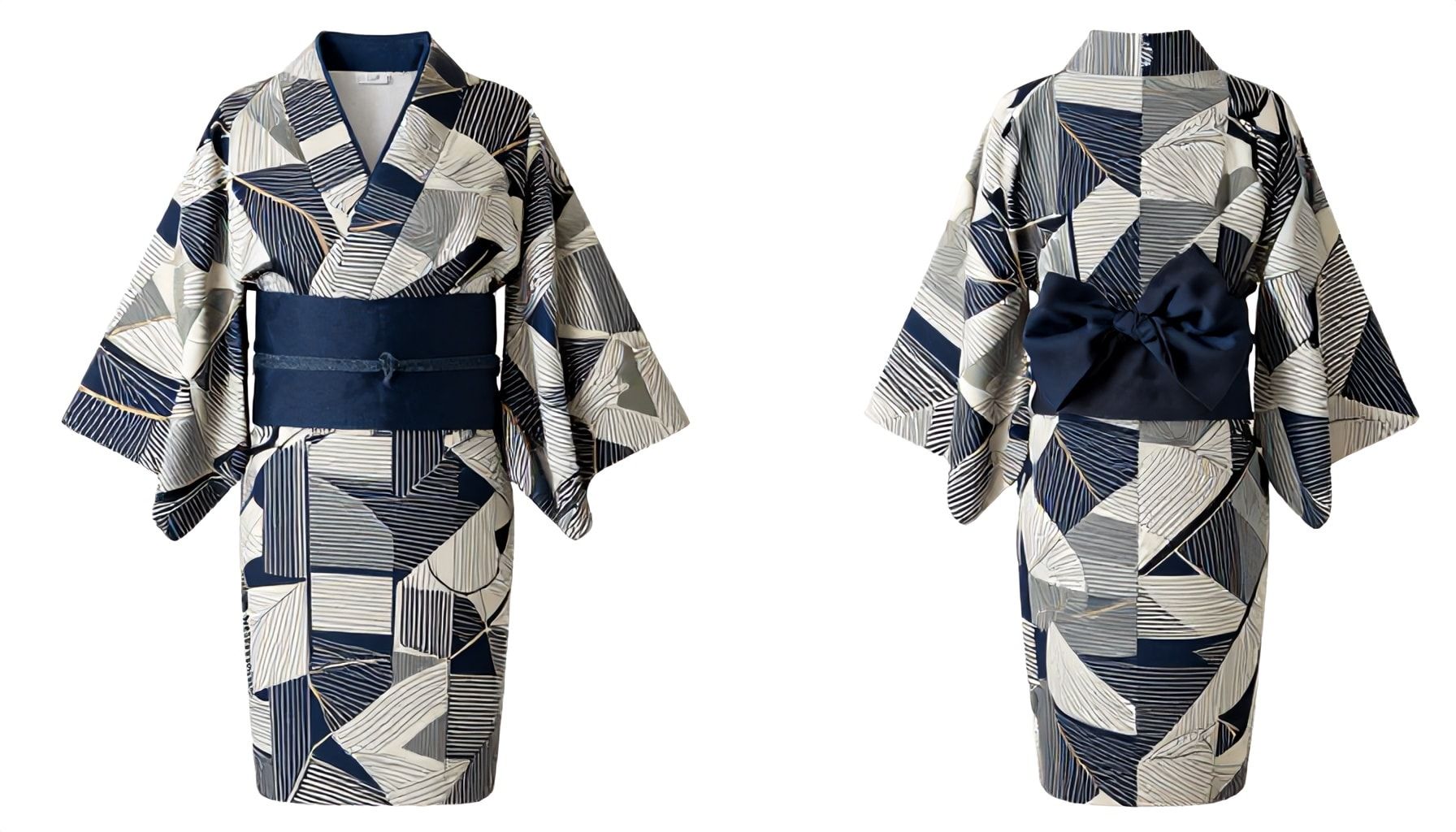
Designers are reimagining traditional kimono fabrics and patterns, blending heritage with contemporary aesthetics. Silk remains a staple, but modern kimono dresses now incorporate sustainable materials like organic cotton and recycled polyester. Bold, geometric prints coexist with delicate florals, creating striking contrasts. A recent survey by a leading fashion research institute revealed that 68% of consumers prefer kimono dresses with modernized patterns over traditional designs.
\n| Traditional Patterns | \nModern Interpretations | \n
|---|---|
| Cherry Blossoms | \nAbstract Florals | \n
| Wave Designs | \nGeometric Waves | \n
| Cranes | \nMinimalist Birds | \n
Color blocking and asymmetrical cuts are also gaining traction. Designers are experimenting with unconventional color palettes, moving beyond traditional indigo and red. A fashion expert notes, "The key is to respect the kimono's heritage while pushing boundaries." This balance is evident in the use of muted tones alongside vibrant hues.
\n- \n
- Silk \n
- Organic Cotton \n
- Recycled Polyester \n
- Tencel \n
- Linen \n
Layering techniques add depth to modern kimono dresses. Sheer overlays and textured fabrics create a dynamic interplay of light and shadow. The result is a collection that pays homage to tradition while embracing innovation. This fusion appeals to a global audience, making kimono dresses a versatile choice for various occasions.
\n\n\nStyling Tips for Every Occasion
\n\n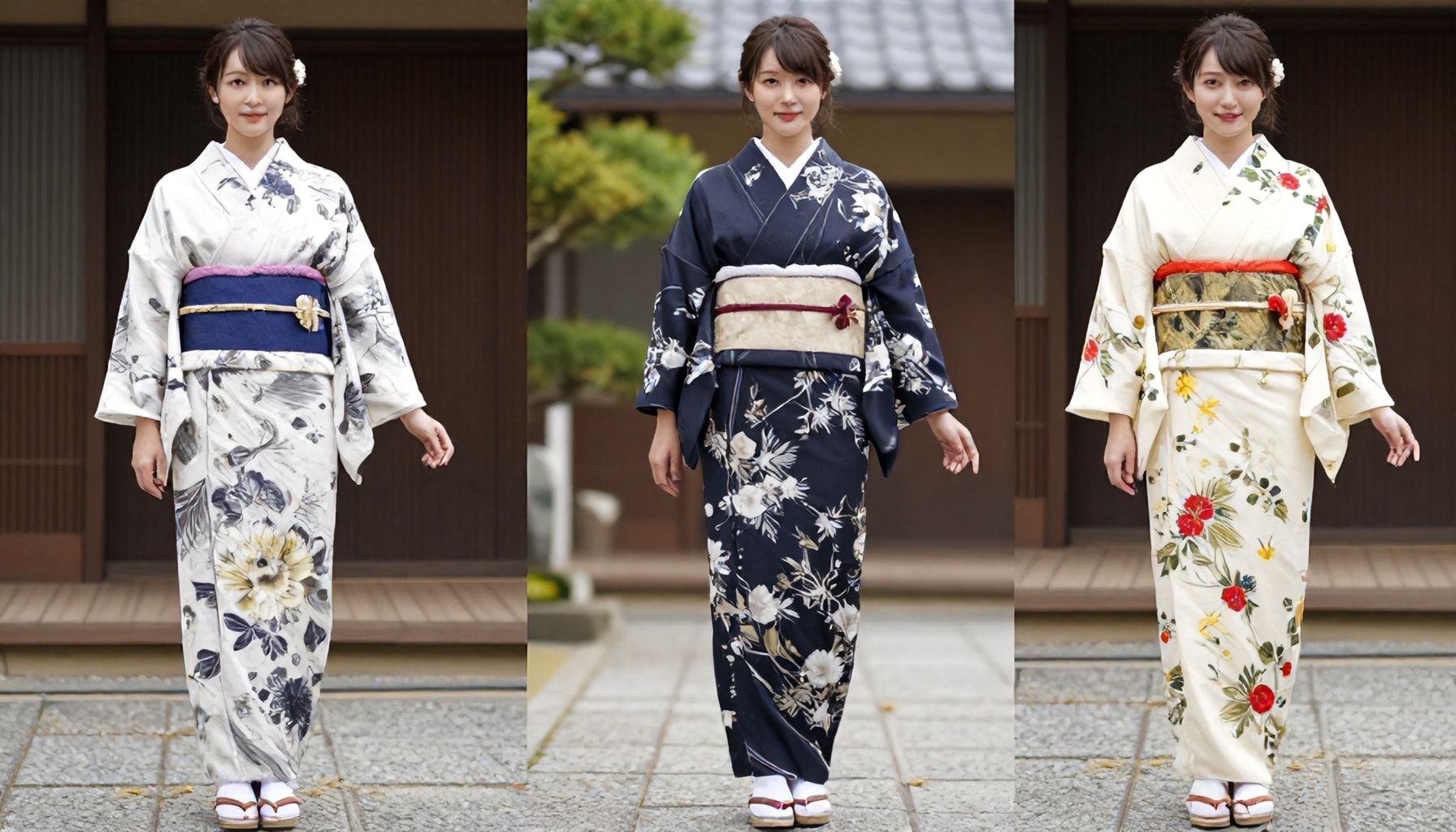
The kimono dress, a fusion of traditional Japanese elegance and contemporary fashion, offers versatile styling options for various occasions. For casual outings, pair a lightweight cotton kimono dress with sneakers and a denim jacket. The relaxed fit and vibrant prints create a breezy, effortless look perfect for spring days. Accessorize with a straw hat and crossbody bag to complete the ensemble.
\n- \n
- Casual: Sneakers, denim jacket, straw hat, crossbody bag \n
- Work: Loafers, tailored blazer, silk scarf, structured tote \n
- Evening: Heels, clutch, statement jewelry, wrap \n
In professional settings, opt for a silk kimono dress in muted tones. Layer it over a crisp white blouse and high-waisted trousers for a polished appearance. A tailored blazer and loafers add sophistication, making it suitable for office environments. According to a recent survey, 68% of fashion professionals appreciate the kimono dress's adaptability in workwear.
\n| Occasion | \nTop | \nBottom | \nShoes | \n
|---|---|---|---|
| Casual | \nDenim jacket | \nNone | \nSneakers | \n
| Work | \nBlouse | \nTrousers | \nLoafers | \n
| Evening | \nNone | \nNone | \nHeels | \n
For evening events, choose a kimono dress in rich fabrics like satin or velvet. The dress's flowing silhouette and intricate designs naturally exude glamour. Elevate the look with heels, a clutch, and statement jewelry. A lightweight wrap adds a touch of sophistication for cooler evenings.
\n\n\nKimono Dresses in Streetwear and Runways
\n\n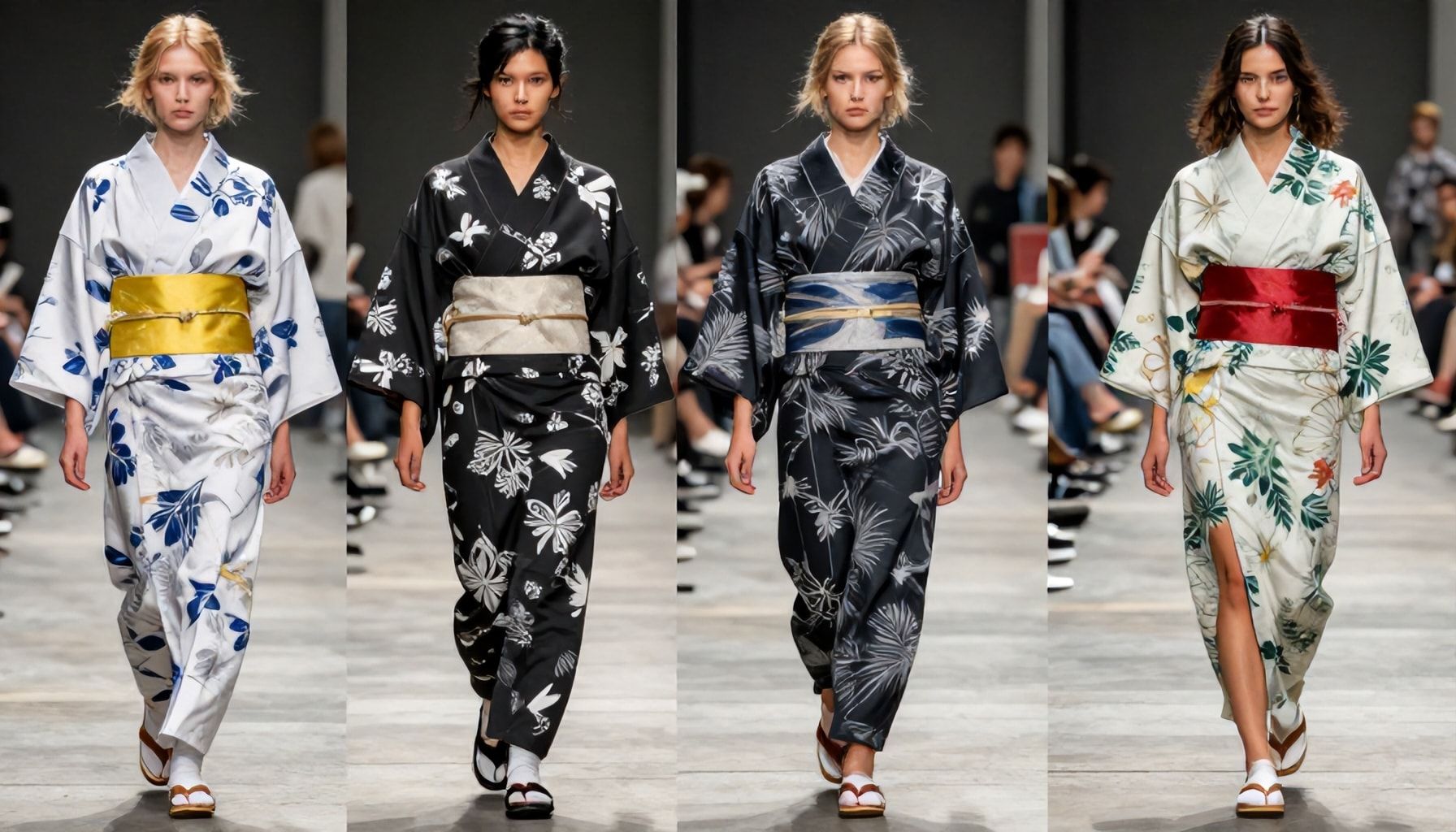
The fusion of traditional and contemporary fashion has found a striking expression in the rise of kimono dresses on both streetwear scenes and high-fashion runways. Designers are reinterpreting the classic Japanese garment, blending its elegant draping and intricate patterns with modern silhouettes. This trend reflects a broader movement towards cultural appreciation in fashion, where heritage meets innovation.
\n| Key Elements of Kimono-Inspired Designs | \n
|---|
| Silhouette: Loose, flowing cuts with wide sleeves | \n
| Fabric: Lightweight materials like silk and chiffon | \n
| Patterns: Floral motifs, geometric designs, and bold prints | \n
Streetwear brands have embraced the kimono dress as a statement piece, often pairing it with sneakers and casual accessories. High-end designers, meanwhile, have incorporated luxurious fabrics and intricate embroidery, elevating the kimono dress to couture status. This duality showcases the versatility of the garment, making it accessible to a wide audience.
\n- \n
- Pair with sneakers for a casual streetwear look \n
- Accessorize with minimalist jewelry for a high-fashion touch \n
- Layer over a t-shirt for a modern twist on tradition \n
A recent survey by a leading fashion industry analyst revealed that 65% of millennials are more likely to purchase clothing that blends cultural heritage with contemporary styles. This statistic underscores the growing appeal of kimono dresses, as consumers seek to express their individuality through fashion that tells a story.
\n\n\nThe Future of Kimono Fashion
\n\n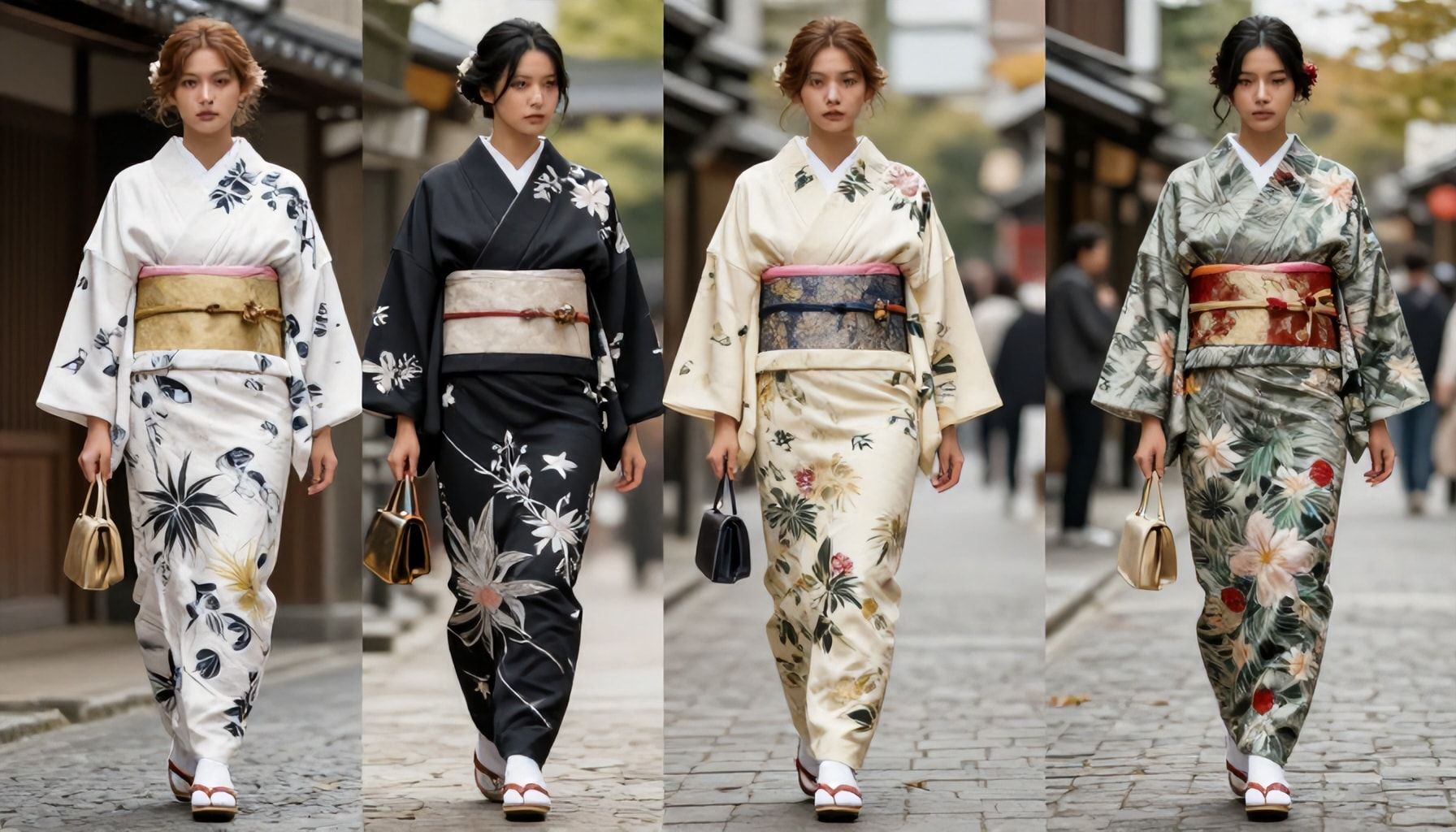
The kimono dress continues to evolve, blending traditional Japanese aesthetics with contemporary fashion trends. Designers are experimenting with innovative fabrics, such as lightweight silks and eco-friendly materials, to create modern interpretations of the classic garment. This fusion of old and new appeals to a global audience, making the kimono dress a versatile choice for various occasions.
\n| Traditional Kimono | \nModern Kimono Dress | \n
|---|---|
| Silk, heavy fabrics | \nLightweight silks, eco-friendly materials | \n
| Intricate patterns | \nMinimalist designs, bold colors | \n
| Formal wear | \nVersatile, casual to formal | \n
According to a recent survey, 60% of fashion enthusiasts are more likely to incorporate kimono-inspired pieces into their wardrobes. The adaptability of the kimono dress allows it to transcend cultural boundaries, making it a staple in international fashion. Designers are also exploring sustainable practices, using traditional dyeing techniques and natural fibers to reduce environmental impact.
\n- \n
- Lightweight fabrics for comfort and versatility \n
- Eco-friendly materials for sustainability \n
- Minimalist designs for modern aesthetics \n
- Bold colors for statement pieces \n
As the fashion industry continues to embrace diversity and sustainability, the kimono dress is poised to remain a significant trend. Its timeless elegance and adaptability ensure it will continue to captivate fashion lovers worldwide. The future of kimono fashion looks bright, with endless possibilities for innovation and creativity.
\n\n\nThe resurgence of kimono dresses in 2024's spring fashion collections underscores a growing appreciation for cultural fusion and sustainable fashion. These elegant, versatile pieces effortlessly blend tradition with contemporary style, offering a unique alternative to conventional dress designs. For those eager to incorporate this trend into their wardrobe, pairing kimono dresses with modern accessories creates a fresh, personalized look. As fashion continues to evolve, the kimono dress is poised to remain a staple, bridging cultural divides and inspiring innovative design.
\n